
After 20+ years as a former Real Estate Broker, I can tell you: the difference between a house that lingers and one that sells in the first week comes down to the small stuff.
I saw homes with gourmet kitchens struggle to get offers because of one red accent wall. Meanwhile, average houses flew off the market because the details whispered “move in and put your feet up.” That’s the mindset shift: staging a home to sell isn’t HGTV magic, it’s buyer psychology.
Here’s what most decorating blogs won’t tell you: staging isn’t about Instagram-worthy rooms. It’s about strategic placement, smart lighting, and avoiding mistakes that cost thousands.
According to the National Association of Realtors, 83% of buyers’ agents say staging helps buyers visualize the property as their future home.
These home staging tips break down exactly what moves the needle when buyers walk through your door.
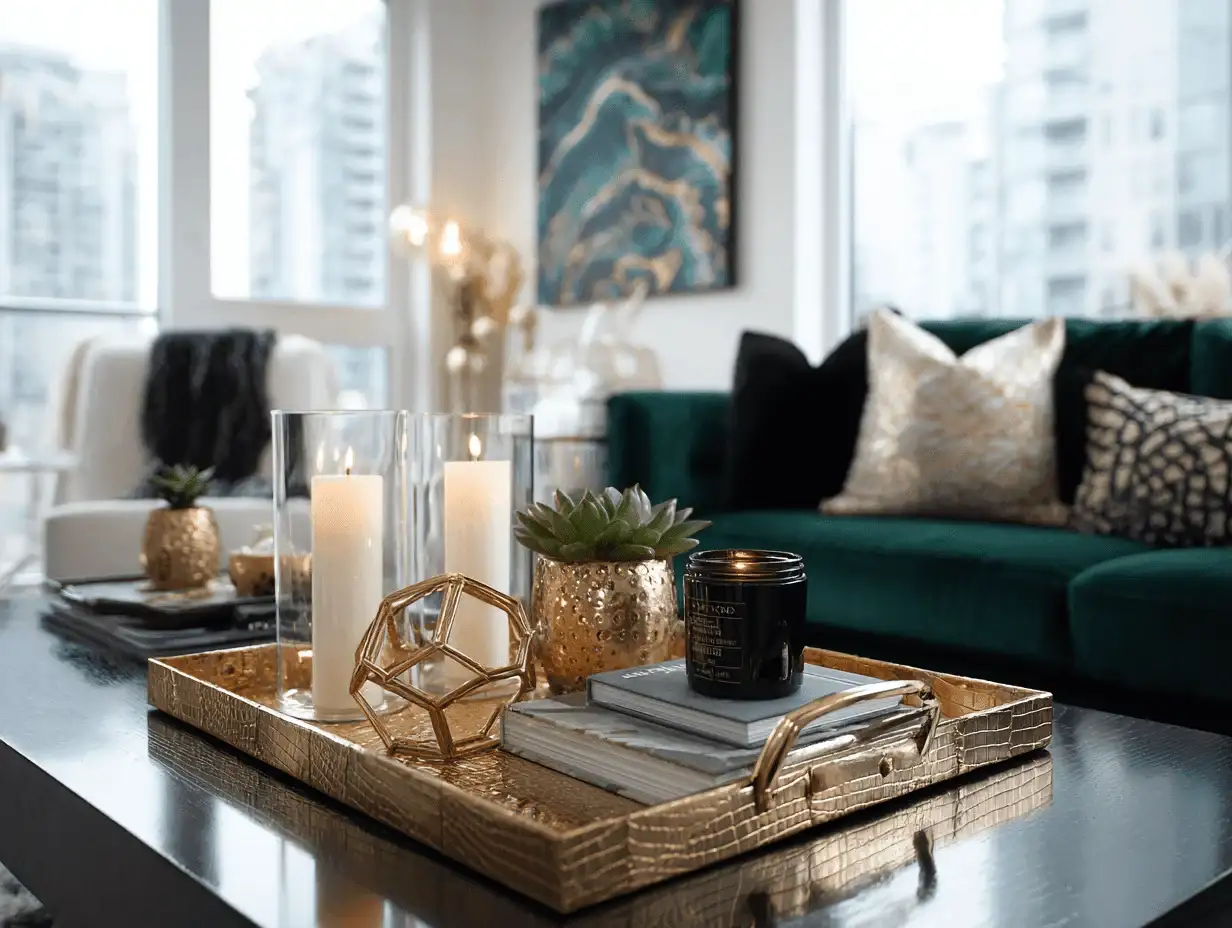
Table of Contents
Home Staging Tips: What Buyers Notice First
Most people think staging a home to sell means renting expensive furniture. But here’s the reality: buyers make emotional decisions in the first 30 seconds, and strategic choices trigger those “I can live here” feelings.
What buyers notice first:
- First 10 seconds: Smell, lighting, and overall “feel”
- Next 20 seconds: Eyes scan for problems (clutter, worn fixtures, outdated ceiling lights that need boob light replacements)
- After that: They’re either mentally moved in or checked out
The mistake most homeowners make? They stage for themselves instead of for a buyer’s brain. That’s the mindset shift: your job isn’t to show how you live, it’s to help buyers imagine how they could live.
Successful home staging tips hit that perfect middle ground:
- Warm but not personal – Cozy textures without family photos everywhere
- Styled but not cluttered – A few intentional pieces, not every surface decorated
- Clean but lived-in – Fresh flowers and soft lighting, not sterile emptiness
Room-by-Room Staging Guide: Where Strategic Placement Matters
Buyers spend 15-45 minutes in your house, and most of that time is in four key areas. The most commonly staged rooms are the living room (91%), primary bedroom (83%), and dining room (69%), according to the National Association of Realtors.
Living Room Staging Ideas That Sell
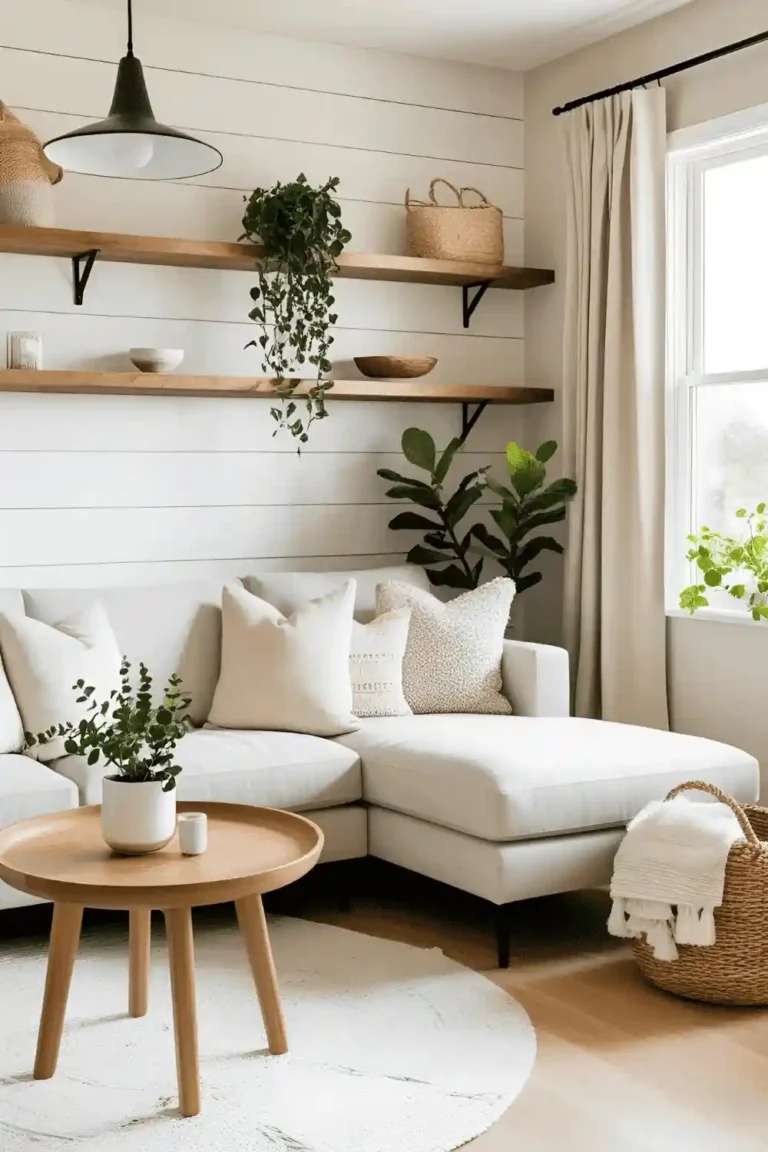
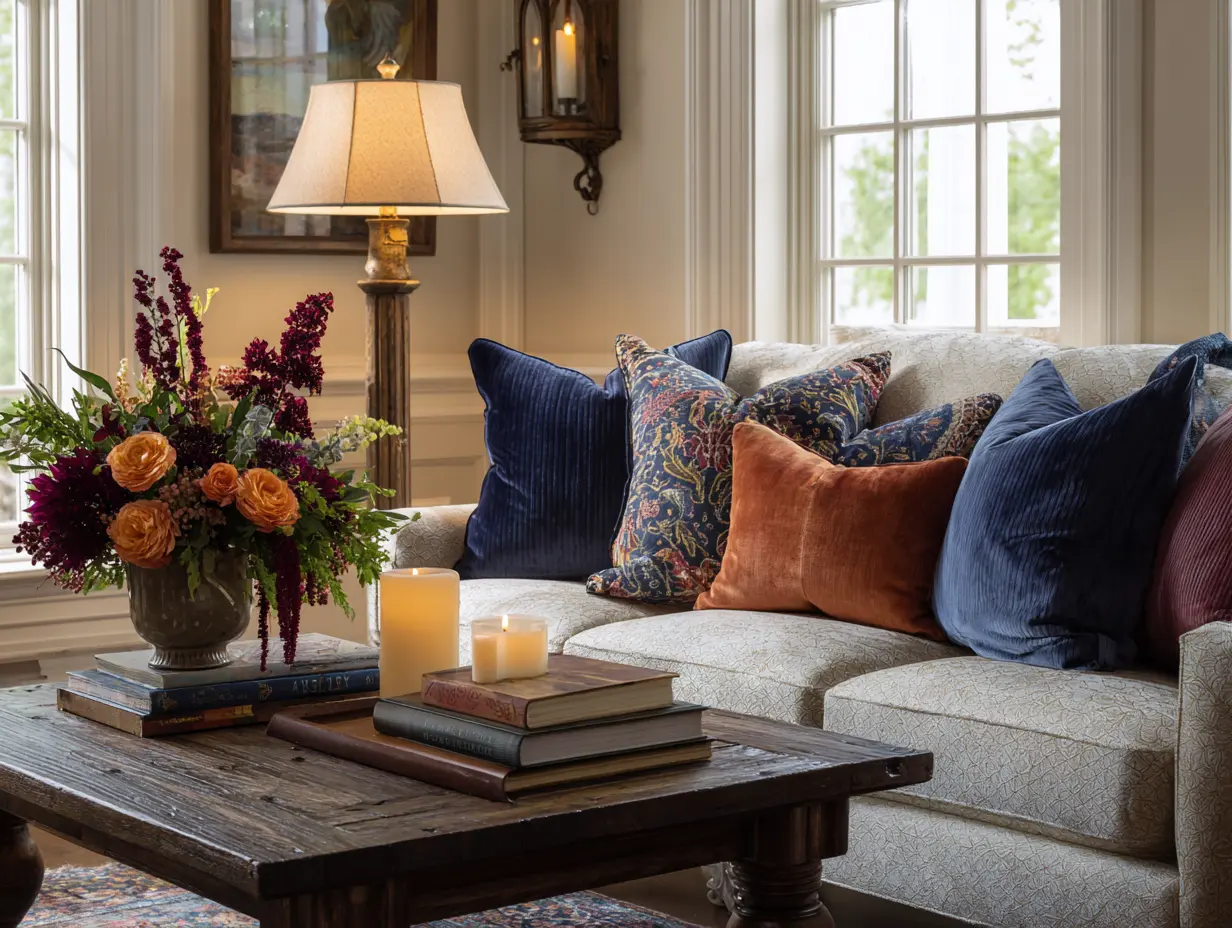
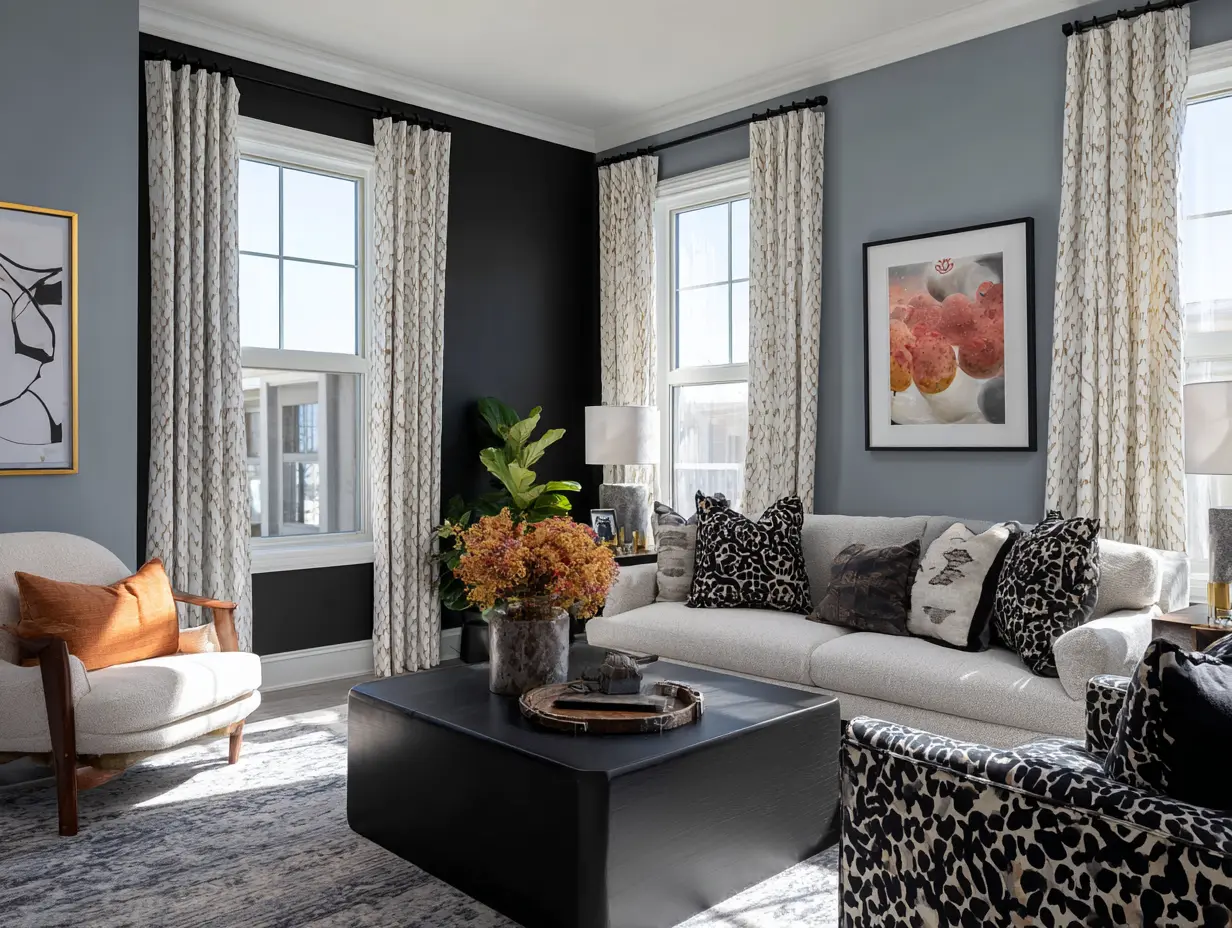
The living room is where buyers imagine Christmas mornings, lazy Sundays, and family movie nights. Living room staging ideas you should consider:
- Kill the overhead lighting – Replace that builder-grade fixture. Add two table lamps for warm, layered lighting that feels like home, not a waiting room.
- Strategic plant placement – One large plant in a corner with a mirror above it. That’s it. No plant jungle.
- Furniture that shows flow – Push furniture away from walls so buyers can walk around and envision their own layout.
- Clear the coffee table – Nothing but a simple tray with maybe one candle. Buyers want to see surface space.
Bedroom Staging Tips for Maximum Appeal
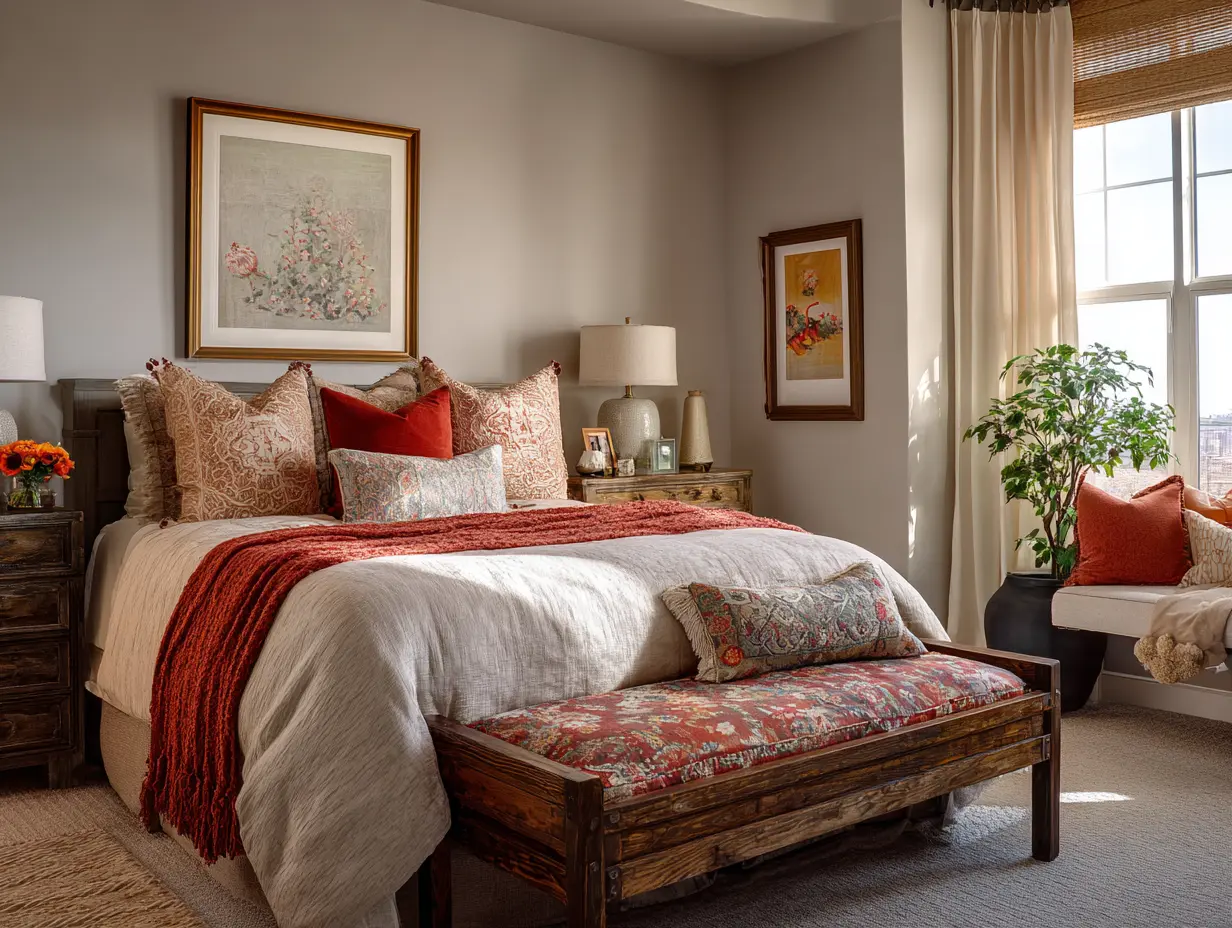
Bedrooms sell dreams of rest, not laundry piles. Bedroom staging tips that work: keep it calm, clean, and hotel-inspired. Crisp bedding, soft lighting, no clutter. If you’re working with a compact bedroom, these 7 Tiny Bedroom Ideas That Instantly Transform Small Spaces show how to make small rooms feel intentional, not cramped.
- Two-table hack – Push two tables together, throw a blanket over them. Buyers see a bed, you save hundreds
- Warm bedside lamps – Overhead lights feel clinical, not cozy
- Clean out closets – Buyers will look. Overstuffed = “no storage”
- Neutral everything – White or gray bedding, no personal photos, no bold walls
- Fresh air – Open windows before showings. Stale air kills the vibe
Home Staging Kitchen & Dining: Quick Wins
Kitchens sell houses. Period. But dining rooms? They need to feel like gathering spaces, not that catch-all room where unopened mail and dog treats go to die.
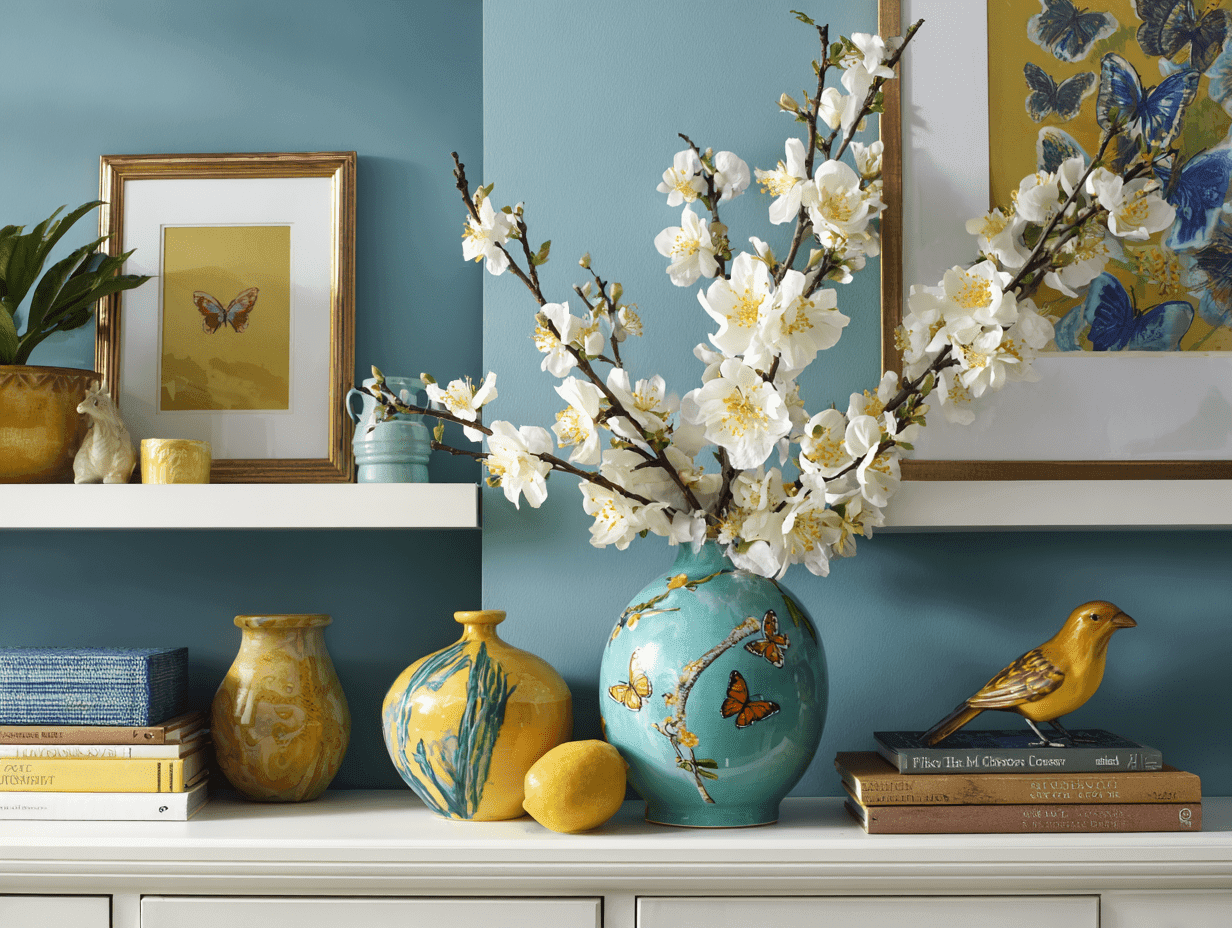
- Clear counters – Buyers want workspace, not your appliances. One bowl of lemons or fresh flowers max
- Set the dining table – Clean runner, simple centerpiece, 4-6 place settings. “Sunday dinner,” not Thanksgiving chaos
- Smell strategy – Bake cookies before showings or use a reed diffuser for consistent scent
- Clean cabinets – Buyers will open them. Tidy = cared-for home
Home Staging Entryway: First Impressions
You’ve got 30 seconds to make buyers want to see more. Don’t waste it on dim lighting and a pile of sneakers.
- Scent first – Fresh flowers, candle, or air freshener. The house should smell like calm, not last night’s dinner
- Lighting upgrade – Swap builder-basic fixtures immediately. Don’t let buyers see a dusty boob light replacements candidate. For more outdoor lighting strategies, the Porch Lighting Guide: Simple Ideas for Maximum Curb Appeal breaks down how to layer lighting for maximum impact without calling an electrician.
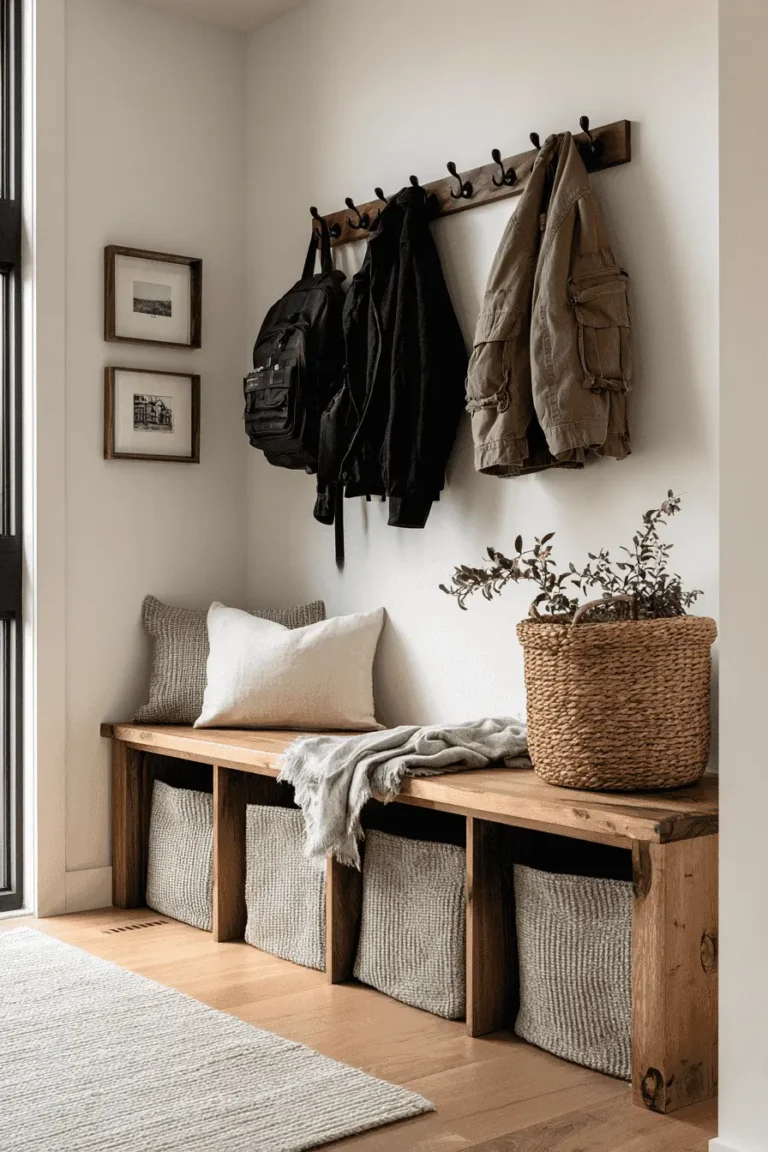
- Clear the path – No shoes, backpacks, or gym bags cluttering the entry
- Mirror magic – Bounces light and makes the space feel bigger
Remember: You’re not decorating for your taste, you’re creating a blank canvas where buyers can imagine their life. If clutter is the real issue and not just the entryway, this Home Organization Ideas guide will help you tackle it room by room before your first showing. Want more ways to boost the outside of your home? These Front Yard Decor Ideas That Instantly Boost Curb Appeal cover simple upgrades that make a big difference without breaking the bank.
Home Decor Mistakes That Kill Sales (And Cost You Money)
I’ve seen houses sit on the market for months because of avoidable choices. These aren’t style preferences, they’re deal-breakers that make buyers calculate renovation costs instead of imagining their future.
The Big Three Deal-Breakers:
- Bold accent walls – Red, dark navy, forest green? Buyers see “paint job,” not “home.”
- Overdone themes – Sunflowers, roosters, farmhouse signs. When your decor has more personality than most people, buyers can’t see past it.
- Builder-grade fixtures – Those dome ceiling lights scream “cheap.” Get boob light replacements immediately.
Smaller Mistakes That Add Up:
- Curtains that don’t fit (too short or narrow = cheap)
- Personal collections on display (ceramic cats, sports jerseys)
- Gallery walls of family photos (visual clutter)
- Pet stuff in plain sight (litter boxes, food bowls)
- “Live Laugh Love” decals (feels like a rental, not a home)
Quick Fixes: Remove everything personal, neutralize bold choices, and clear your surfaces. You’re not trying to make the house look like a magazine. You’re creating a space where buyers don’t have to mentally undo your style to imagine their own.
Home Staging on a Budget: Tricks From a Former Real Estate Broker
You don’t need thousands to make your home show well. These home staging tips deliver maximum impact without breaking the bank.
Ideal Budget Hacks:
- Two-table bedroom trick – Push two tables together, throw a blanket over them. Buyers see a bed, you save $500+
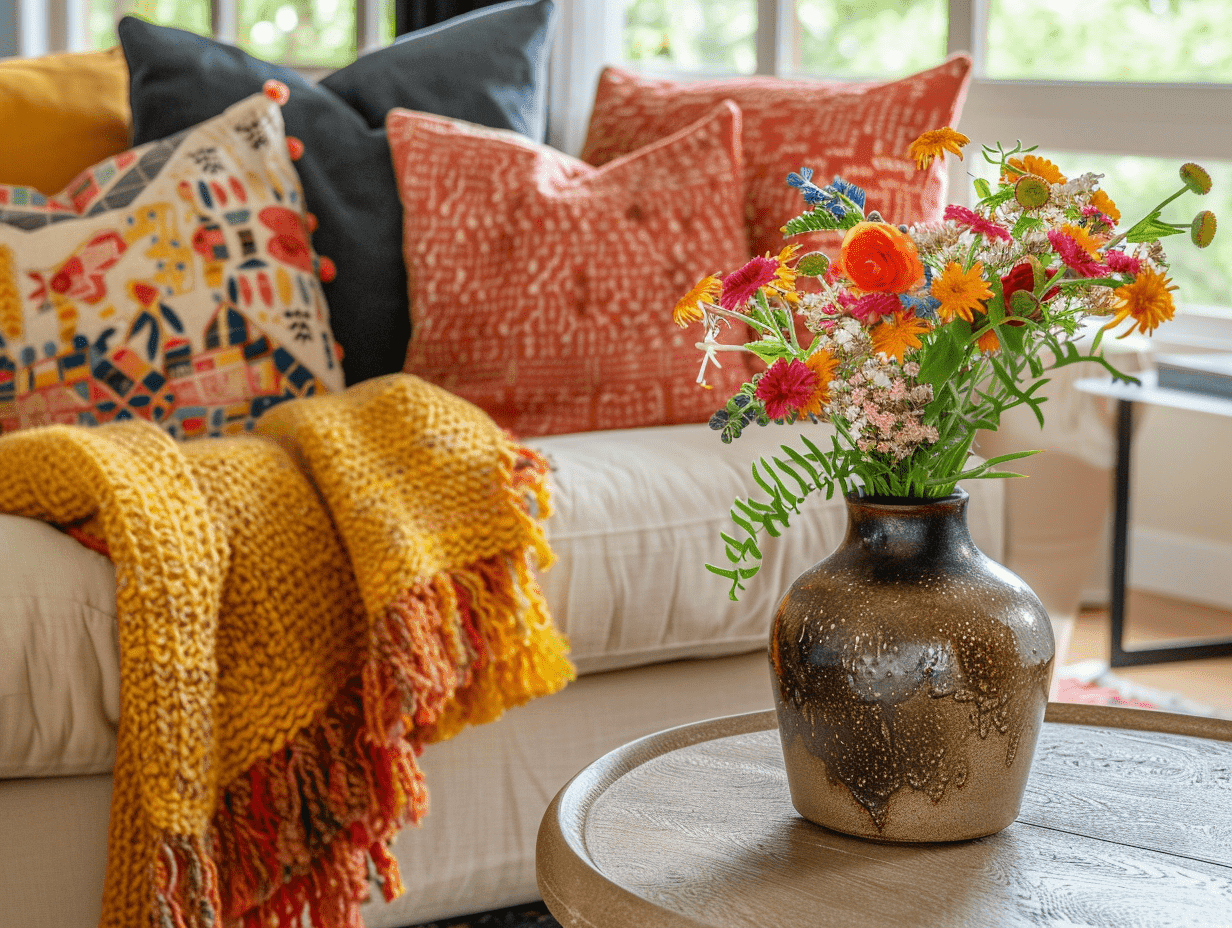
- Fresh flowers in key spots – Grocery store bouquets mask odors and add warmth
- Warm light bulbs – Swap harsh white bulbs for warm ones throughout. Changes the mood for under $30
- One mirror strategically placed – Makes any room feel twice as big
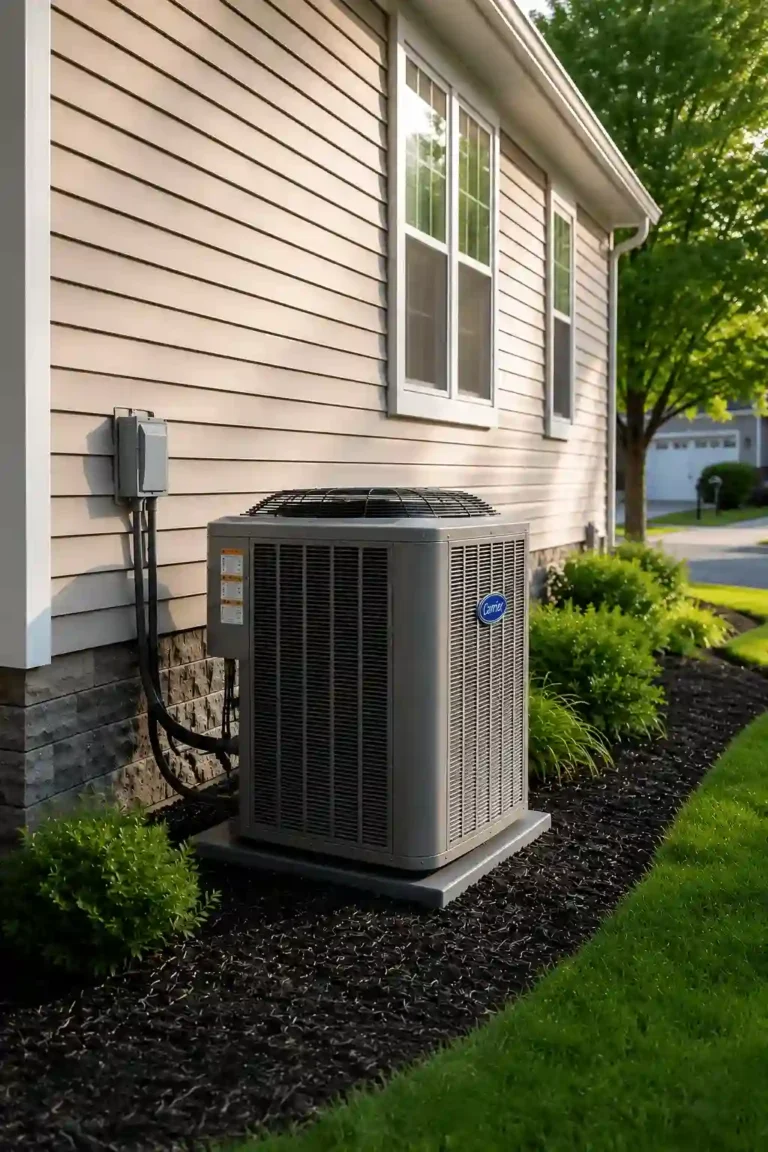
- White shower curtain – Makes bathrooms feel clean and updated. If your bathroom needs more than just a curtain refresh, the Ultimate Bathroom Remodel Tips from a Former Realtor covers fixtures, finishes, and upgrades that buyers notice most. If your systems are older, buyers will ask. This breakdown on whether a new HVAC system actually increases home value will help you decide if it’s worth tackling before you list.
Home Staging Tips That Matter Most:
- Deep clean (especially baseboards and light switches)
- Pack away 50% of your stuff
- Remove all personal photos
- Open blinds and curtains for natural light
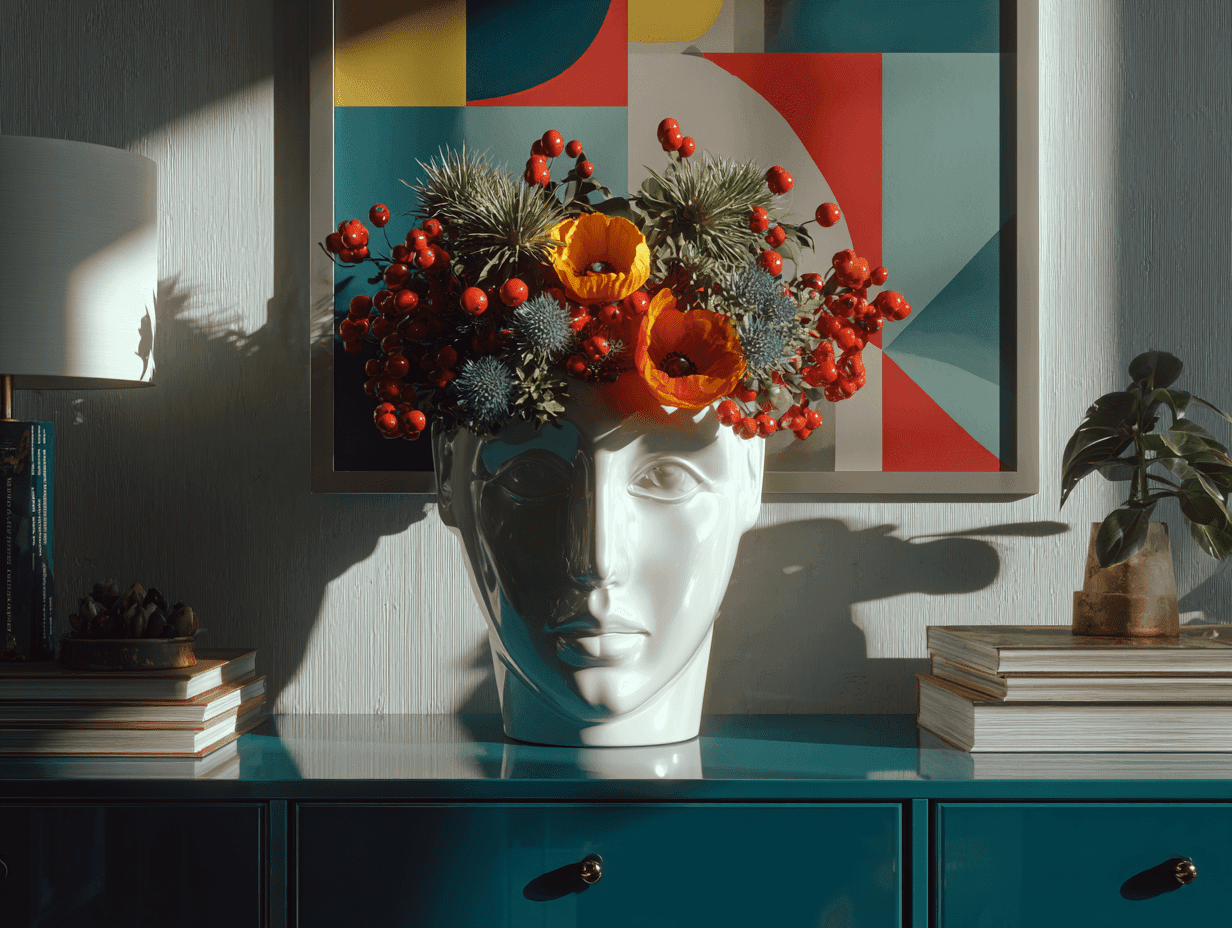
The key is understanding buyer psychology, not having an unlimited budget. Small changes that help buyers imagine living there will move your house faster than expensive furniture. For more budget-friendly upgrades throughout your home, check out these 9 Affordable Home Improvement Ideas You Can Do Yourself.
Frequently Asked Questions About Staging Your Home
What are the biggest home decor mistakes when staging a home to sell?
The three deal-breakers I saw repeatedly: bold accent walls in colors like red or navy, overdone themes (sunflowers, roosters, beach decor), and builder-grade fixtures that scream cheap. These mistakes make buyers immediately calculate renovation costs instead of imagining their future home.
How much should I save for home staging on a budget?
You can stage effectively for under $250-500 if you’re strategic. Focus on fresh flowers, upgraded light bulbs, one nice candle per room, and decluttering ruthlessly. The biggest impact comes from what you remove and rearrange, not what you buy.
Should I hire a professional or can I stage myself?
For most homes, you can absolutely stage yourself using these strategies. Save professional staging costs for luxury properties or homes that have been on the market longer than 30 days. Focus your energy on the four rooms buyers spend the most time in: entryway, living room, kitchen, and master bedroom.
What’s the one thing that makes the biggest difference when staging?
Decluttering and depersonalizing. Pack away 50% of your belongings and remove everything personal. Buyers need to see space and possibility, not your life. This single step has more impact than any decorative accent you could add.
What living room staging ideas work best when staging a home to sell?
Focus on lighting first. Replace builder-grade overhead fixtures with warm table lamps, add one large plant in a corner with a mirror above it, and push furniture away from walls so buyers can envision their own layout. Clear the coffee table to show surface space. The living room is where buyers imagine family movie nights and lazy Sundays, so keep it inviting but not cluttered.
Want help organizing your home? Don’t miss Organize My Home: The Lazy Genius Guide.
The Final Touch: Small Accents, Big Vibes
At the end of the day, it’s not about having the trendiest pieces or the fanciest decor. It’s about creating a space that feels thought out. That’s the mindset shift: you’re not just decorating, you’re directing the buyer’s eye. Strategic choices guide attention, set the tone, and make a house feel like it’s ready for someone’s next chapter.
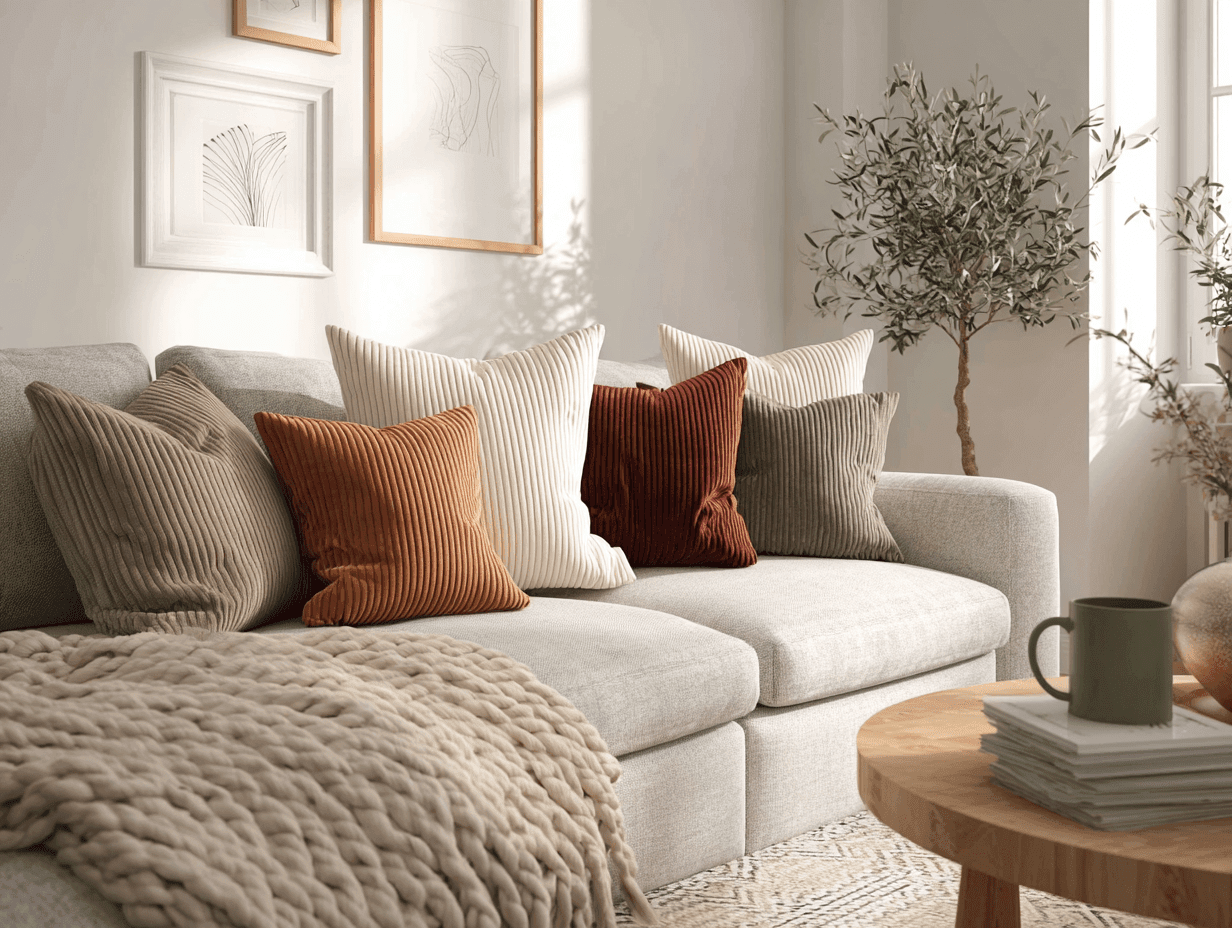
You don’t need to rip everything out or start from scratch. Sometimes, it’s as simple as the right pillow, a better lightbulb, or finally swapping that hand-me-down coffee table for something that makes sense.
So start small. One room. One surface. One smart swap. You’ll be shocked how quickly those accents shift the energy, not toward perfection, but toward possibility.
Psst… want even more home staging tips that feel intentional and effortlessly lived-in?
Check out Cozy Home Decor Ideas for Any Season by Grace in My Space for serious inspiration that pairs perfectly with everything you’re doing here. Like a warm latte and a perfectly styled throw, it just works.