
A new HVAC system can increase home value by 5-7%, and according to the National Association of Realtors 2025 Remodeling Impact Report, HVAC upgrades consistently rank among the top projects for buyer appeal and cost recovery.
We bought our home in 2019 and within the first month we were writing a check for a new system. Not exactly what you picture when you’re still living out of boxes.
The house had no central air. We called R&R Heating and Air for an AC quote. While they were there they looked at the furnace. It was 29 years old. They recommended replacing both. We put the whole thing on their payment plan. $13,000 total.
With twenty years as a real estate broker, I knew exactly what that old furnace looked like on an inspection report. We said yes without hesitation.
Does new HVAC increase home value? Short answer, yes. The longer answer is more useful, and that’s what we’re getting into today.
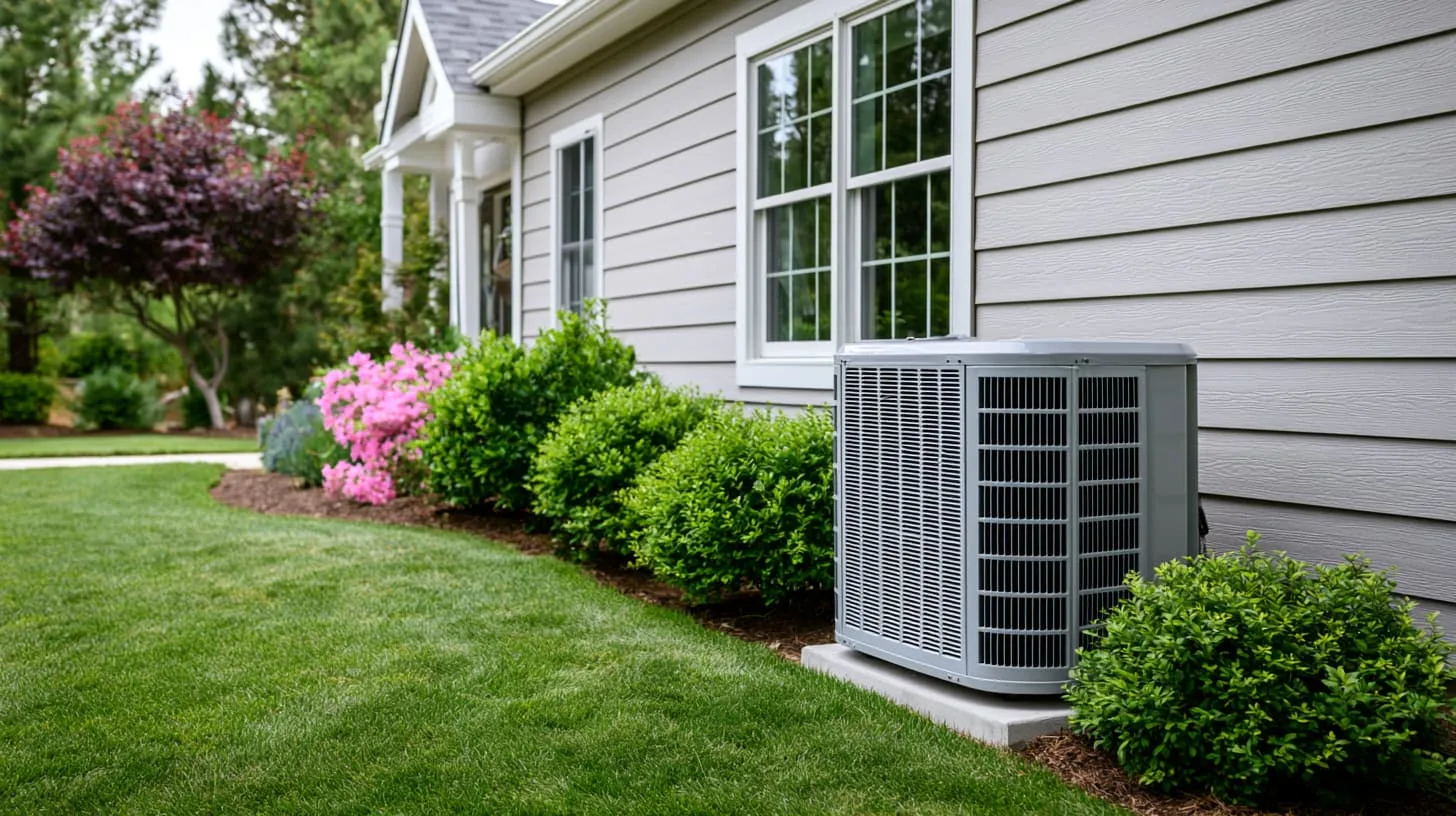
Table of Contents
Here’s What the Data Says About HVAC and Home Value
A new HVAC system does increase home value. We’re talking 5-7% added to your home’s value and a potential $5,000-$10,000 bump in appraised value. That’s not nothing.
Here’s a quick comparison so you can see how HVAC stacks up:
| Home Improvement | Average ROI | Source |
|---|---|---|
| Garage Door Replacement | 194% | Remodeling Cost vs. Value 2025 |
| Steel Entry Door | 188% | Remodeling Cost vs. Value 2025 |
| Minor Kitchen Remodel | 96% | Remodeling Cost vs. Value 2025 |
| HVAC Replacement | ~30% | Angi 2026 |
| Bathroom Remodel | 74% | Remodeling Cost vs. Value 2025 |
| New Roof | 61% | Remodeling Cost vs. Value 2025 |
HVAC may not top the ROI charts, but a failing system can kill a deal faster than any other issue. That’s the part most remodeling lists leave out.
HVAC isn’t the only upgrade that pays you back. Check out bathroom improvements that give you strong ROI before you decide where to put your money.
How Much Does a New HVAC System Cost?
The average new HVAC system cost runs $10,000 to $18,000. A basic split system for a 2,000 square foot home lands around $10,000-$13,000. High efficiency systems push to $16,000 and beyond. Add ductwork, electrical upgrades, and permits and you’re at the top of that range fast.
Our install was $13,000. New furnace, new AC, new ducting, top to bottom. No shortcuts. Knowing what I know about HVAC home value, it was worth every penny.
Here’s what drives the costs up:
- New or replaced ductwork
- Electrical panel upgrades
- Permits and inspections
- Size of your home
- Brand and efficiency rating
Selling soon vs. staying long term matters here too.
If you’re selling in the next 2-3 years, a mid-range system in the $10,000-$13,000 range is the smart move. If you’re staying 10 years or more, invest in a top tier system between $15,000-$20,000. The energy savings start paying you back fast.
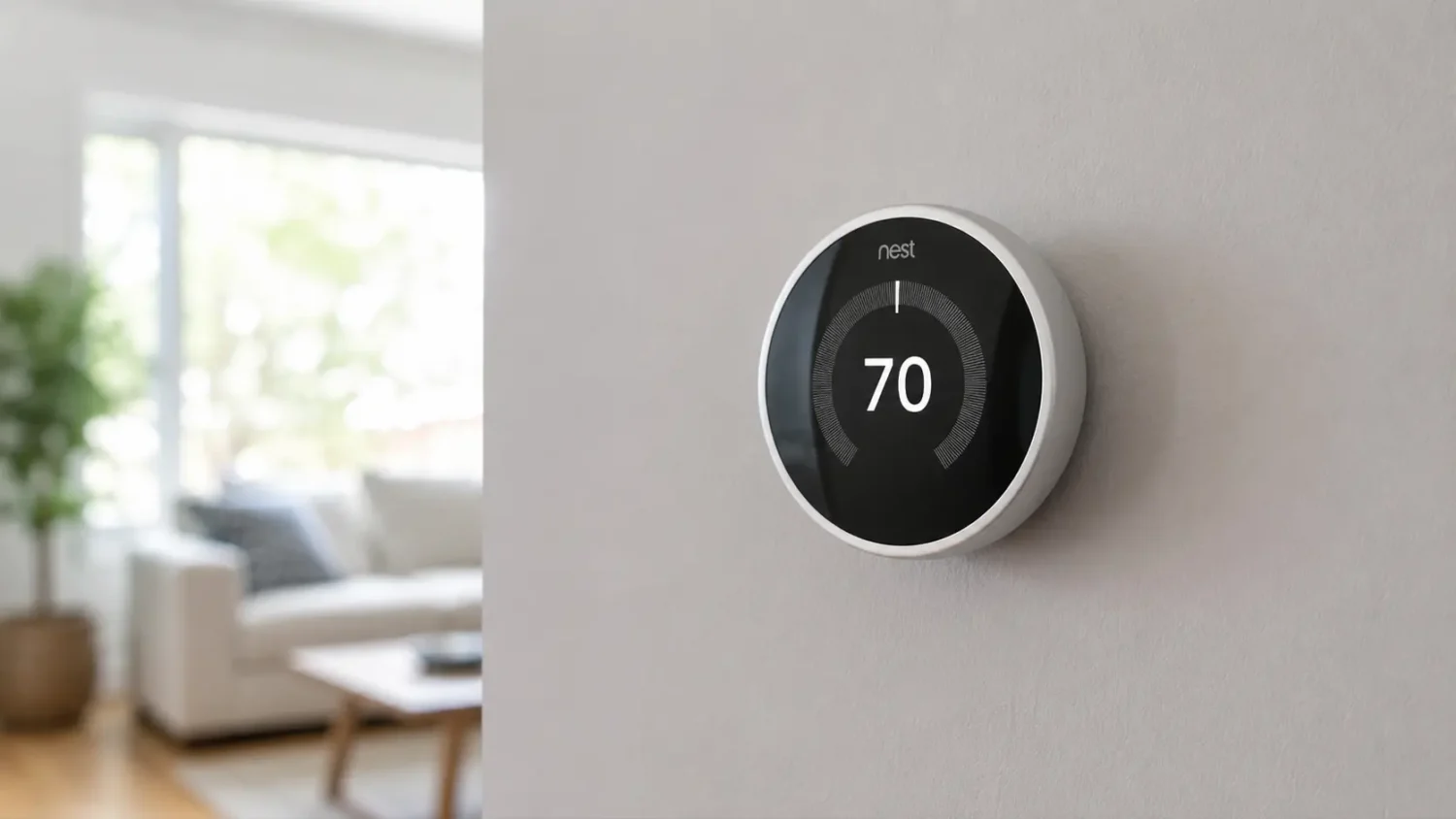
We have the Google Nest Thermostat and honestly it’s one of the best upgrades we’ve made. Programmable, wifi connected, and I can set the thermostat from my phone when I am away from home.
What Happens at the HVAC Home Inspection
This section is where my past broker brain really kicks in.
In over 20 years of real estate, I required a home inspection on every single transaction. Every one. And out of all those inspections, 9 out of 10 found something that needed repair or replacement. The HVAC home inspection was almost always part of that conversation.
Here’s what inspectors are actually looking for:
- Age of the system
- Safety issues like carbon monoxide leaks or cracked heat exchangers
- Permits pulled for previous work
- Condition of ductwork and filters
- Heating and cooling performance
When the inspection flagged the HVAC, buyers would come to me and ask what to do. We had options. We could ask the seller to repair it, replace it with a licensed contractor, or negotiate a seller holdback, which is basically money held from the seller at closing to cover the repair cost after you move in.
Buyers rarely walked away over an old HVAC if it was still functioning. But a failing system? That’s a different story.
I had one deal where the entire unit failed during the inspection period. We had a ten day inspection window. The seller had a brand new unit installed within one week to save the deal. That’s how much HVAC home inspection results can impact a transaction.
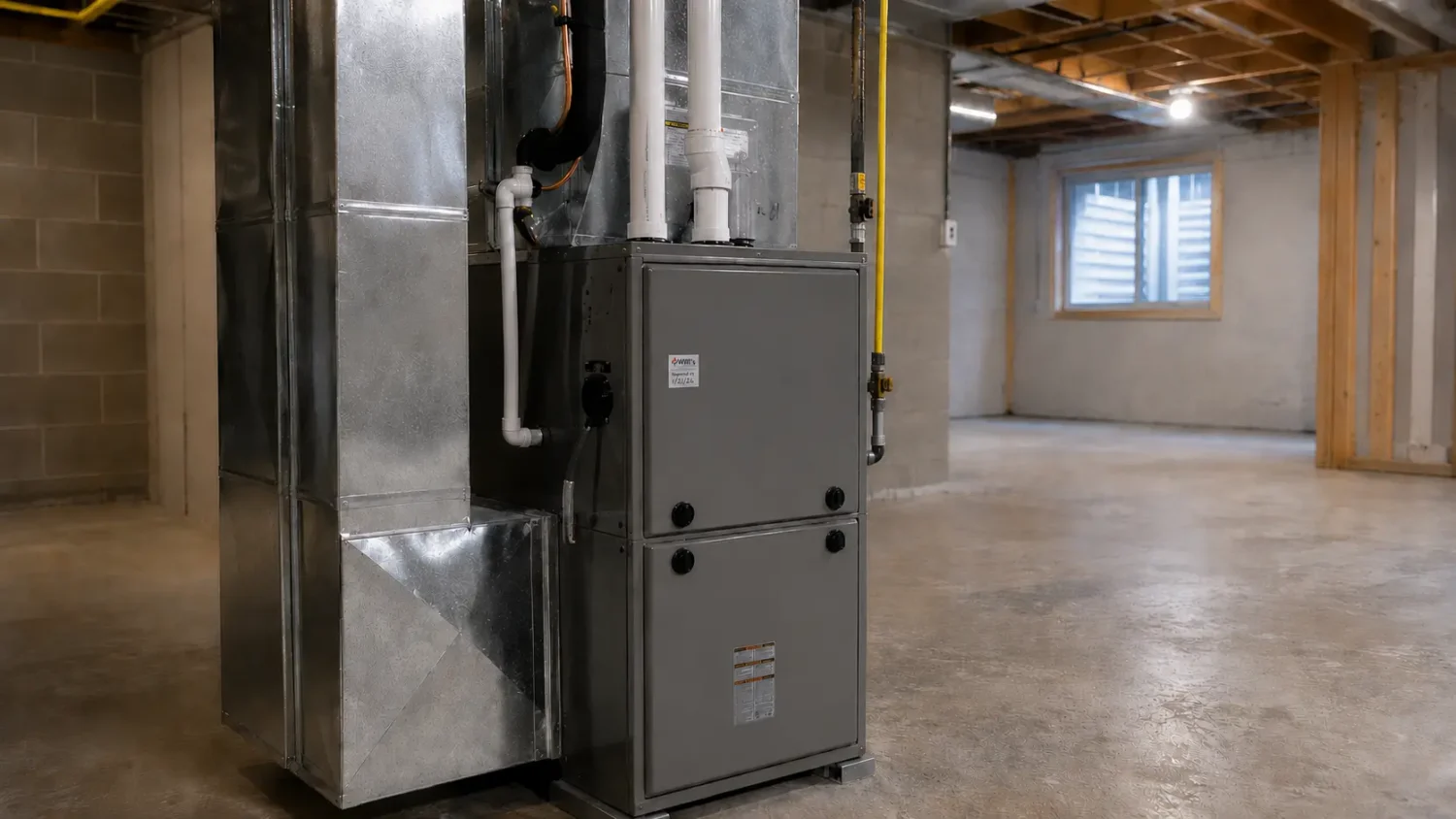
Should You Replace HVAC Before Selling?
Honest broker answer? It depends.
I know that’s not the clean yes or no you were hoping for, but stick with me.
If your system is still functioning and it’s under 15 years old, you probably don’t need to replace it before listing. What you DO need is a home warranty. I secured one for almost every buyer I worked with before closing. It gives buyers peace of mind without you writing a $13,000 check on your way out the door.
But if your system is old, loud, or already flagged on a previous inspection? Replace it. Because the HVAC home value conversation is going to come up the second that inspection report lands in your buyer’s hands.
Here’s my honest breakdown:
| Situation | My Recommendation |
|---|---|
| System is 10+ years old, still working | Get a home warranty |
| System is failing or flagged | Replace before listing |
| System is under 10 years old | Leave it, disclose the age |
| No central air at all | Seriously consider installing it |
The new HVAC system cost might sting upfront, but a dead deal stings worse. I had a seller spend $9,000 to keep a transaction alive. It saved the sale. Sometimes we have to take care of the big ticket items in a home negotiation.
And if you’re getting ready to list, make sure you know what buyers notice when they walk through a home before you do anything else.
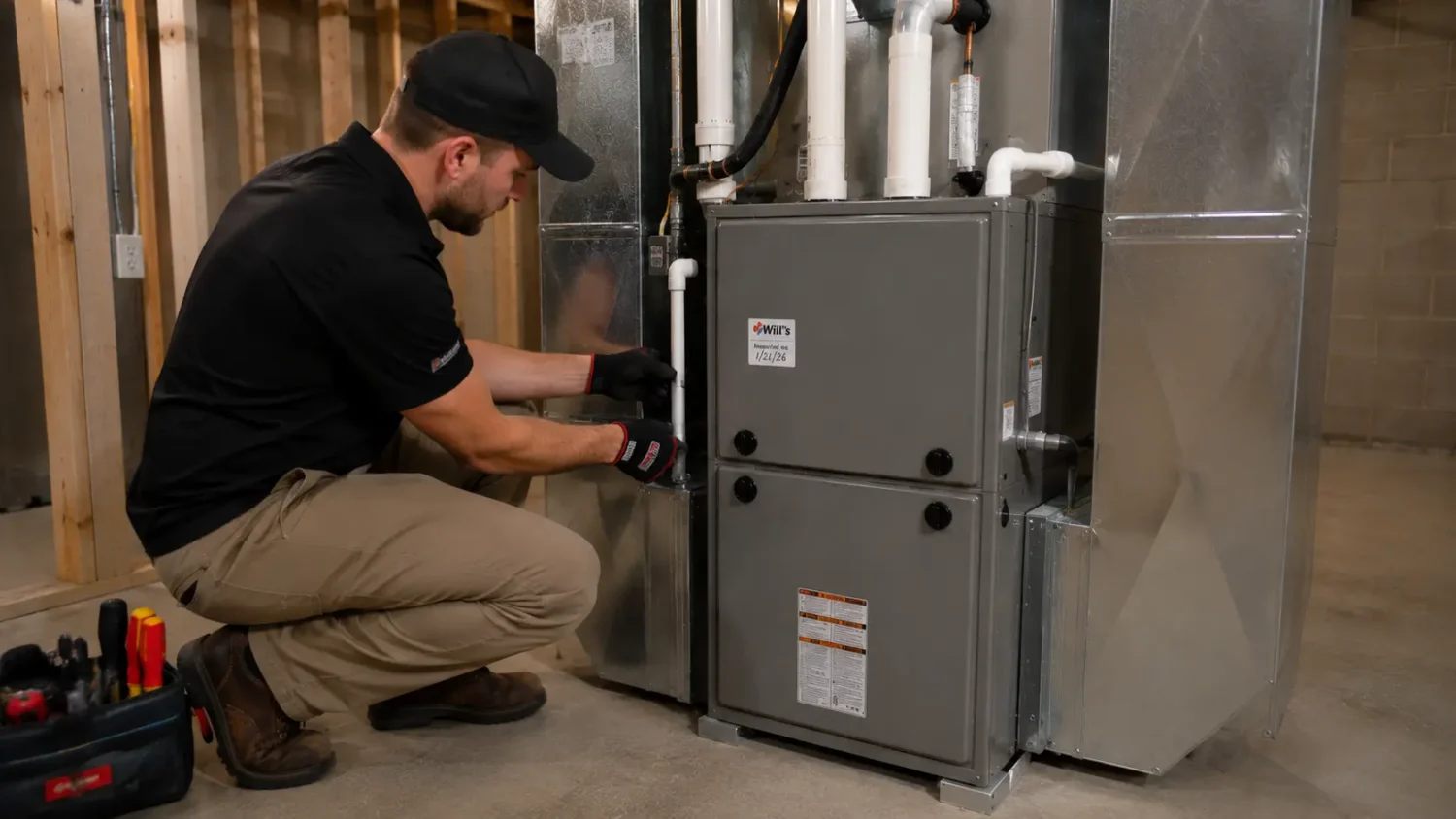
Does Central Air Add Value to a Home?
Short answer, yes. A noticeable amount.
Does central air add value to a home beyond just comfort? Absolutely. Here’s why buyers care:
- A house without central air is harder to sell, plain and simple
- Buyers are already calculating what it will cost them to add it later, and that math comes out of your offer price
- A modern system can cut heating and cooling costs by 10-30%, and buyers know that
- Smart thermostats paired with central air signal a modern, efficient, cared for home
- During showings, a comfortable house keeps buyers inside longer, and that matters more than people think
When I was showing homes in the summer, the ones with central air running made a difference you could feel the second you walked in. Buyers stayed longer. And when buyers stay longer, offers come in stronger.
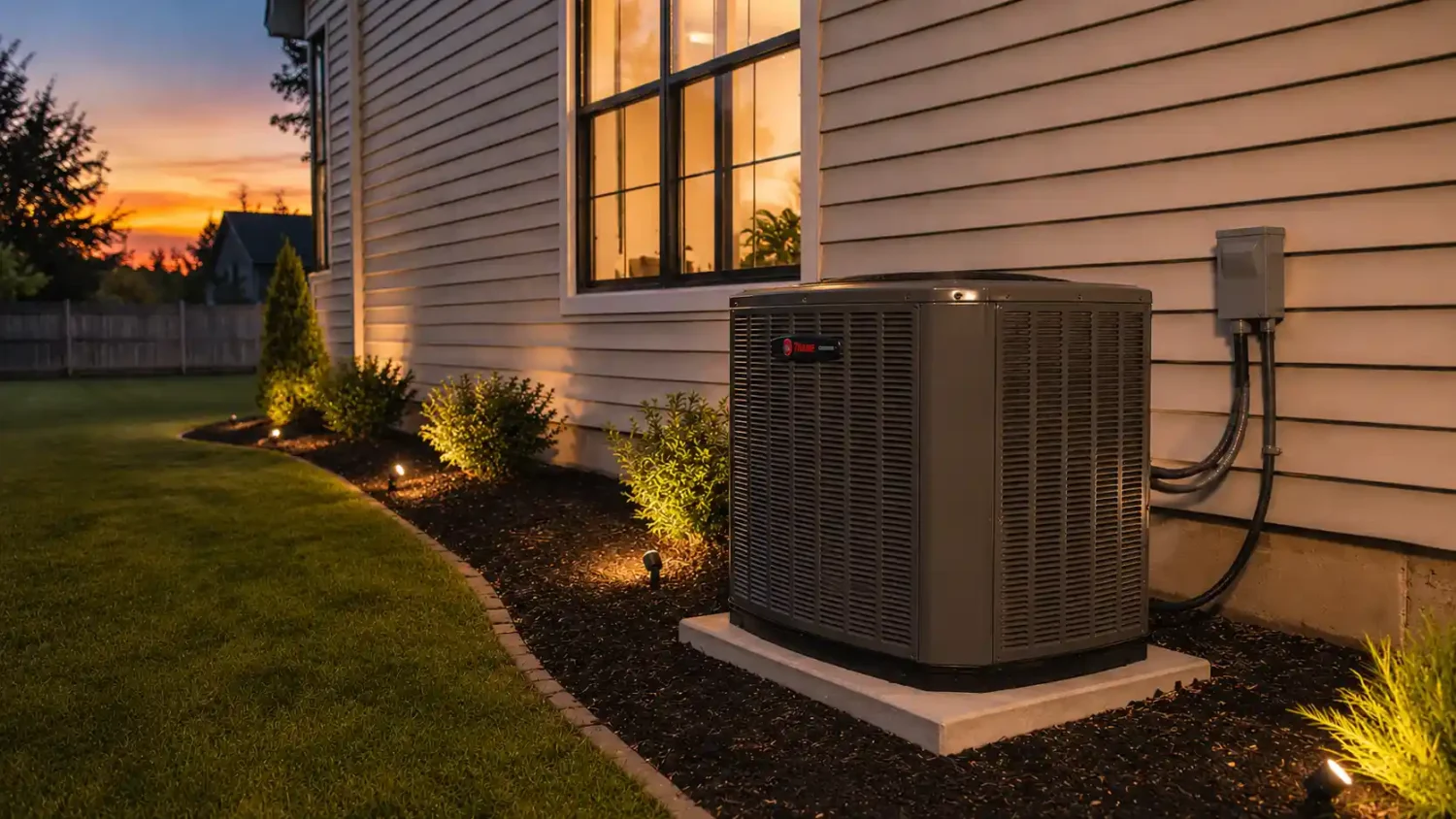
Duct Cleaning and Why It’s a Safety Issue, Not Just a Task
Most people think dirty ducts are just a dust problem. They’re not.
Neglected ductwork can become a real safety hazard over time, and it’s one of those things that quietly gets worse until it really isn’t. Here’s what can happen when ducts go too long without cleaning:
- Mold growth – Moisture inside ducts creates the perfect environment for mold to spread. And once it’s in your ducts, it’s blowing through every room in your house every time the system runs.
- Fire risk – Dust and debris buildup near your furnace is a legitimate fire hazard. This isn’t scare tactics, it’s just physics.
- Poor air quality – Allergens, pet dander, bacteria, and dust particles recirculate through your home constantly. If someone in your house has asthma or allergies, this matters a lot.
- System strain – Clogged ducts make your system work harder, which shortens its lifespan and drives up your energy bills.
How often should you clean your ducts?
Every 3-5 years is the general recommendation. Sooner if you have pets, allergies, recent renovation work, or visible mold.
And if you’re buying or selling a home? Ask about the ducts. It almost never comes up, but it should.
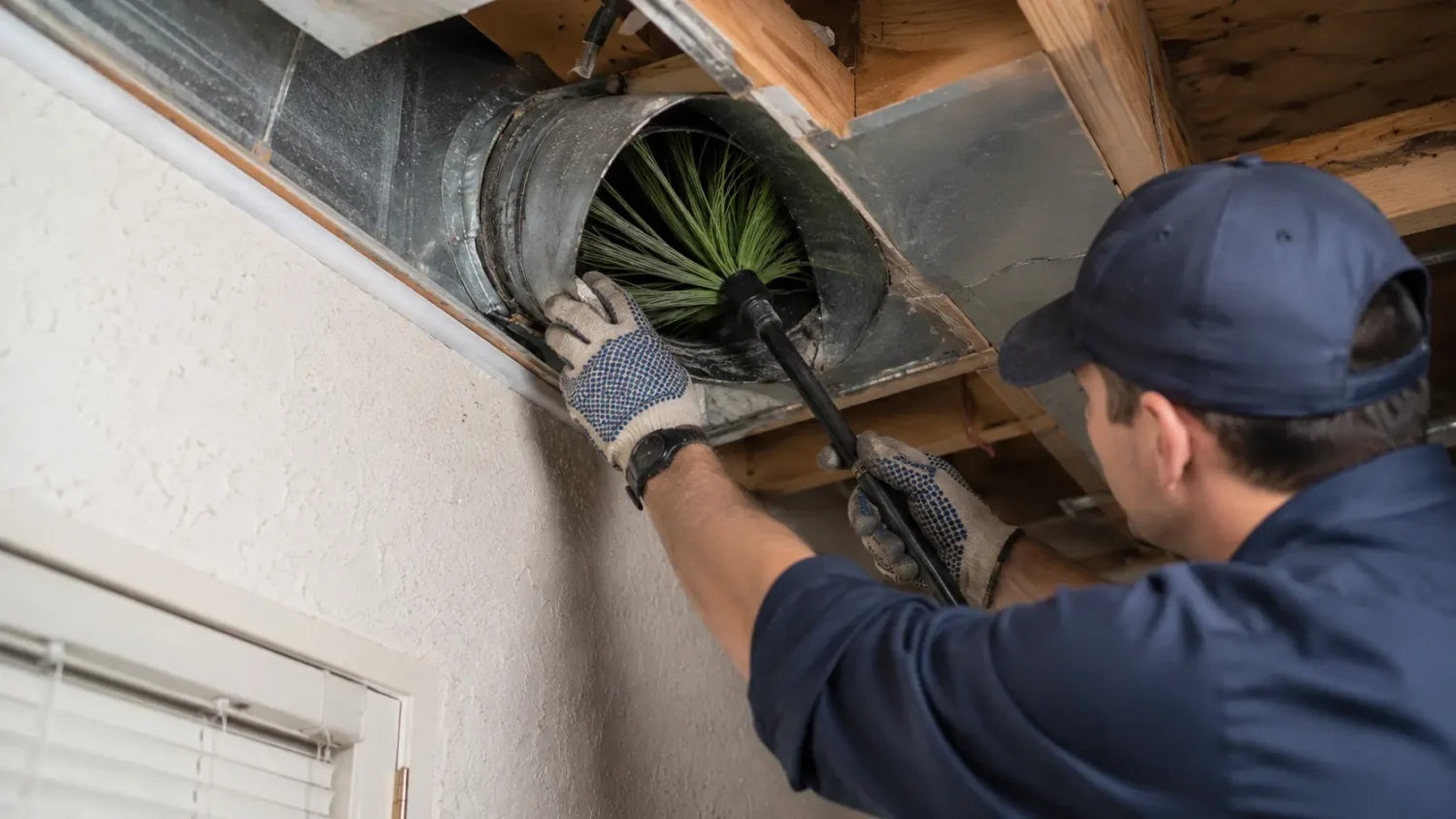
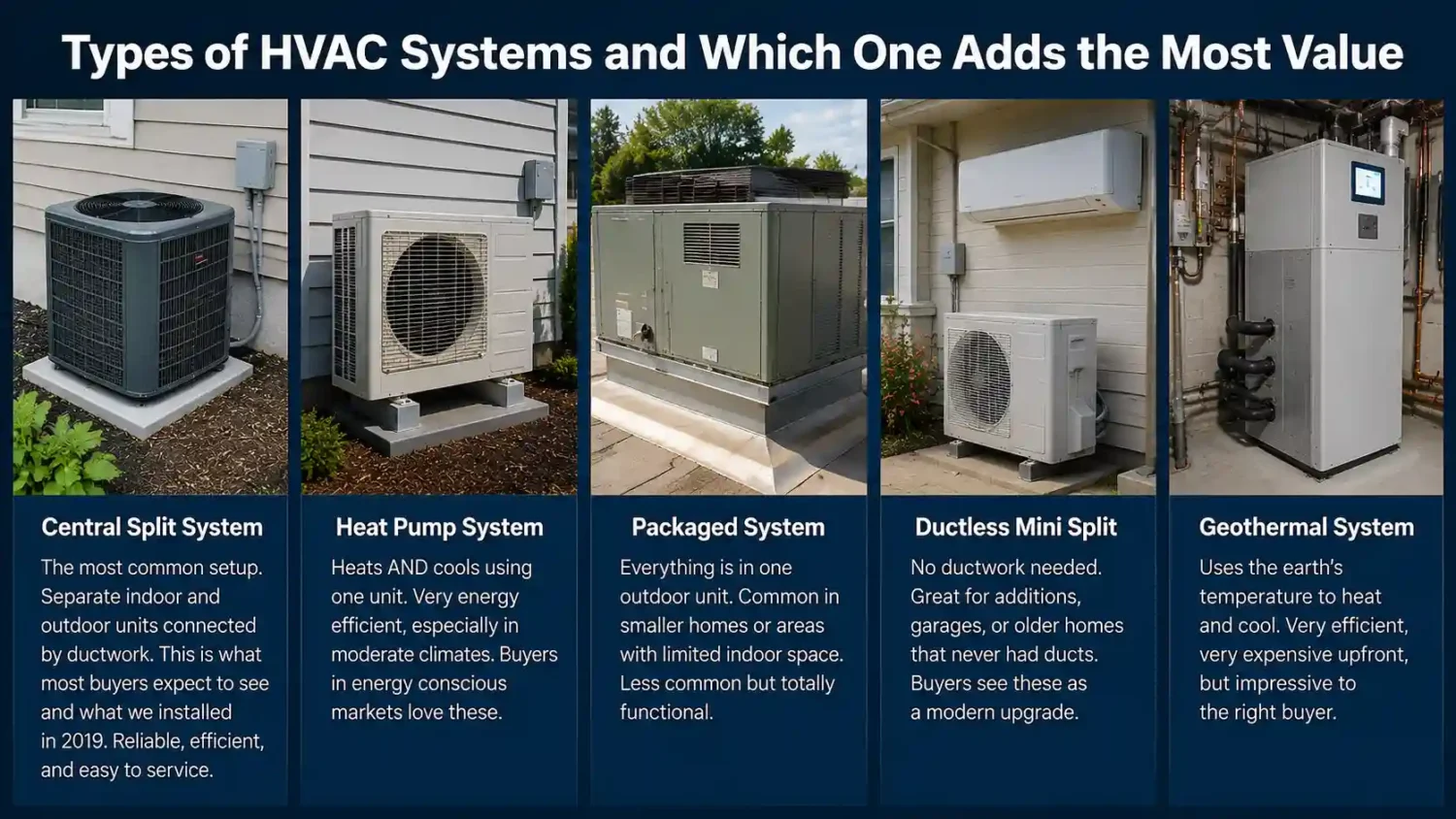
Types of HVAC Systems and Which One Adds the Most Value
Not all HVAC systems are created equal, and buyers notice the difference.
Here’s a quick breakdown of the most common types:
- Central Split System – The most common setup. Separate indoor and outdoor units connected by ductwork. This is what most buyers expect to see and what we installed in 2019. Reliable, efficient, and easy to service.
- Heat Pump System – Heats AND cools using one unit. Very energy efficient, especially in moderate climates. Buyers in energy conscious markets love these.
- Packaged System – Everything is in one outdoor unit. Common in smaller homes or areas with limited indoor space. Less common but totally functional.
- Ductless Mini Split – No ductwork needed. Great for additions, garages, or older homes that never had ducts. Buyers see these as a modern upgrade.
- Geothermal System – Uses the earth’s temperature to heat and cool. Very efficient, very expensive upfront, but impressive to the right buyer.
For most homeowners, a central split system or heat pump gives you the best combination of HVAC home value, buyer appeal, and long term efficiency.
HVAC Maintenance That Protects Your Home Value
This is the part nobody talks about enough.
A brand new system doesn’t stay impressive if you neglect it. And on inspection day, a poorly maintained HVAC tells a story you don’t want buyers reading.
Here’s what basic maintenance looks like:
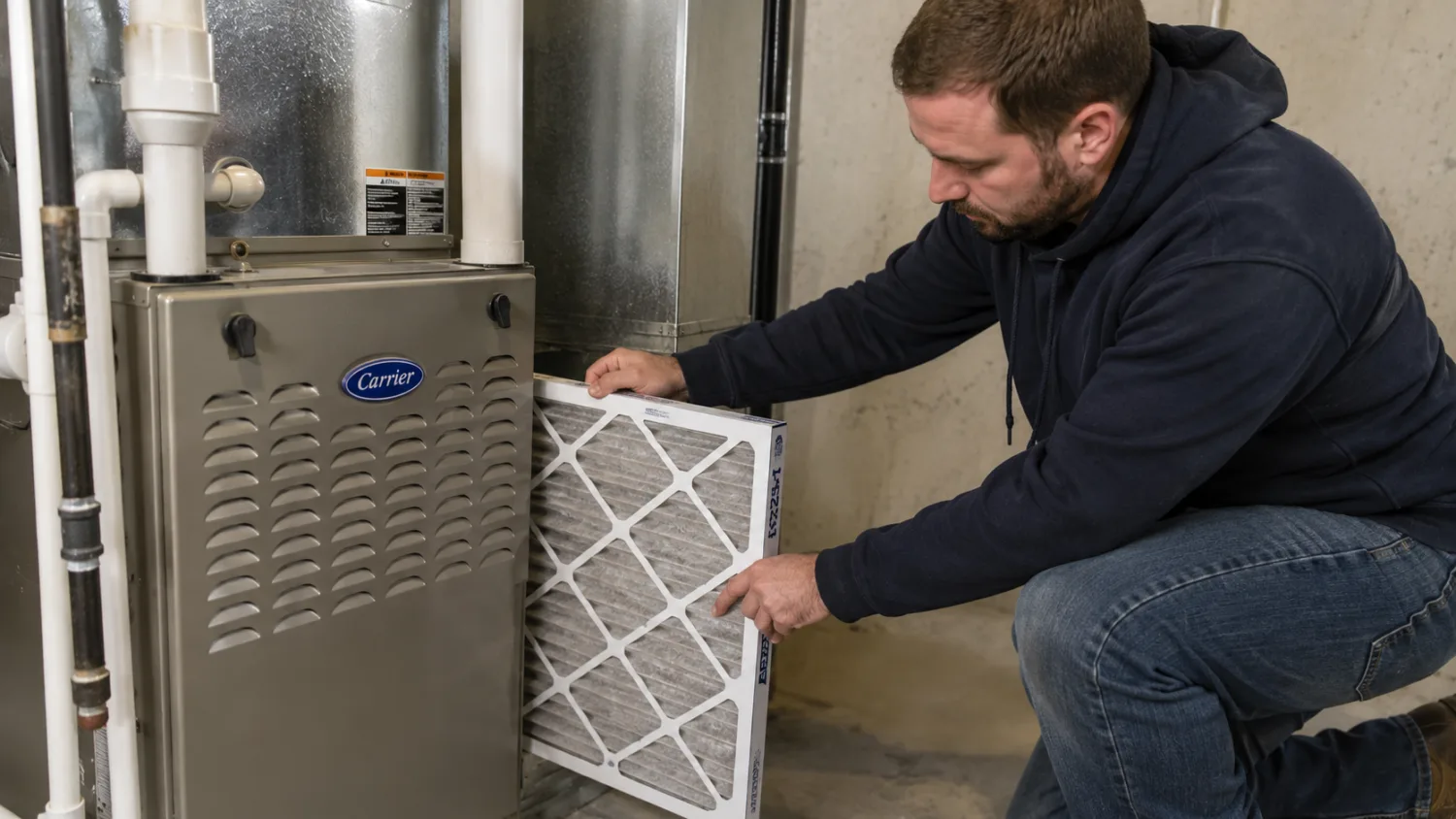
- Change your filters every 1-3 months depending on your home and pets
- Schedule an annual tune up every fall or spring
- Keep the outdoor unit clear of debris and vegetation
- Check your thermostat settings seasonally
- Listen for unusual sounds, don’t ignore them
That last one is important. About four months ago our AC fan motor went out. We caught it early, ordered the part, and Neil replaced it himself. No service call, no panic. Just basic attention to how the system was running. Not every HVAC issue means a full replacement, sometimes it’s just a part and a little elbow grease.
Neglected maintenance shows up on inspection reports fast. Dirty filters, clogged coils, and skipped tune ups are red flags that make buyers wonder what else hasn’t been taken care of. It impacts HVAC home value more than people realize.
| Task | Frequency | Estimated Cost |
|---|---|---|
| Filter Replacement | Every 1-3 months | $10-$30 |
| Annual Tune Up | Once a year | $80-$150 |
| Duct Cleaning | Every 3-5 years | $300-$500 |
| Thermostat Check | Seasonally | Free |
| Full System Inspection | Every 2-3 years | $100-$200 |
We use the Aerostar 16x25x1 MERV 8 filters on our own unit and grab them in a 6 pack so we’re never scrambling. We like them because they are affordable and work very well.
Not every fix has to cost a fortune. Here are some affordable home improvements you can tackle yourself that make a real difference on inspection day.
Your HVAC Questions, Answered
Does new HVAC increase home value?
Yes. According to the National Association of Realtors, a new system can add 5-7% to your home’s value and increase your appraised value by $5,000-$10,000. HVAC may not top the ROI charts at around 30%, but a failing system can kill a deal faster than any other issue on an inspection report.
How much does a new system cost?
The average cost runs between $8,000 and $18,000 depending on the size of your home, efficiency rating, ductwork, and permits. A basic split system for a 2,000 square foot home typically lands around $10,000-$12,000.
What do inspectors look for in an HVAC home inspection?
During an HVAC home inspection, inspectors check the age of the system, safety issues, permits, ductwork condition, and overall performance. A failing or very old system almost always triggers a repair or replacement negotiation.
Does central air add value to a home even in cooler climates?
Yes. Even in cooler climates, buyers still want the option. Summers are getting hotter everywhere, and a home without central air feels like a project waiting to happen. Buyers price that in before they ever make an offer.
Should I replace HVAC before selling?
It depends on the age and condition of your system. If it’s failing, making strange noises, or already flagged on a previous inspection, replace it before you list. A bad inspection report gives buyers leverage, and they will use it.
Home Hero Jen Mindset Shift
Here’s what I want you to take away from all of this. Does new HVAC increase home value? I would say absolutely. BUT, your home doesn’t have to be perfect to sell. It just needs to be honest and well cared for.
A new HVAC system is not about impressing buyers with shiny equipment. It’s about showing them that you paid attention. That you maintained what mattered. That you respected the home you lived in.
I’ve watched sellers lose deals over neglected systems and I’ve watched sellers save deals by stepping up at the last minute. The difference was never really about the money. It was about the care.
You don’t need a perfect house. You need a house that tells a good story.
Start there.