
If you’re building out a garage gym and wondering why it feels like a punishment in July, you’re in the right place. For most setups, cross ventilation plus a 400-600 CFM exhaust fan and a dehumidifier solves 80% of the problem for under $300.
I grew up in the High Desert in California. My mama raised four girls on her own and I will never forget the day she moved us into a home she had built from the ground up. Three bedrooms, two baths, 1,108 square feet. The pride in her eyes when we walked through that door? I was eight years old and I still carry that memory.
Back in 1981, garage gym ventilation wasn’t even a conversation. Building codes didn’t require it and my mama skipped the insulation too, just to save money. Smart woman doing what she had to do.
I spent over 20 years as a Real Estate Broker and garage ventilation came up more than you’d think. It affects air quality, comfort, and how much you actually USE the space.
Table of Contents
Psst… some posts may include affiliate links, which means I might earn a small commission if you shop through them — at no extra cost to you. As an Amazon Associate, I earn from qualifying purchases.
Why Garage Gym Ventilation Matters More Than You Think
Garages were built for cars, not people. When you turn yours into a gym, the air quality becomes a problem fast.
Here is what poor ventilation does to your body:
- Heat builds up and kills your performance before you even start
- Stale air means you are breathing recycled dust, humidity, and fumes
- Your heart rate spikes faster than it should
- Moisture destroys your equipment over time
- Bad air quality leads to headaches, fatigue, and shorter workouts
- Eventually, you just stop going out there
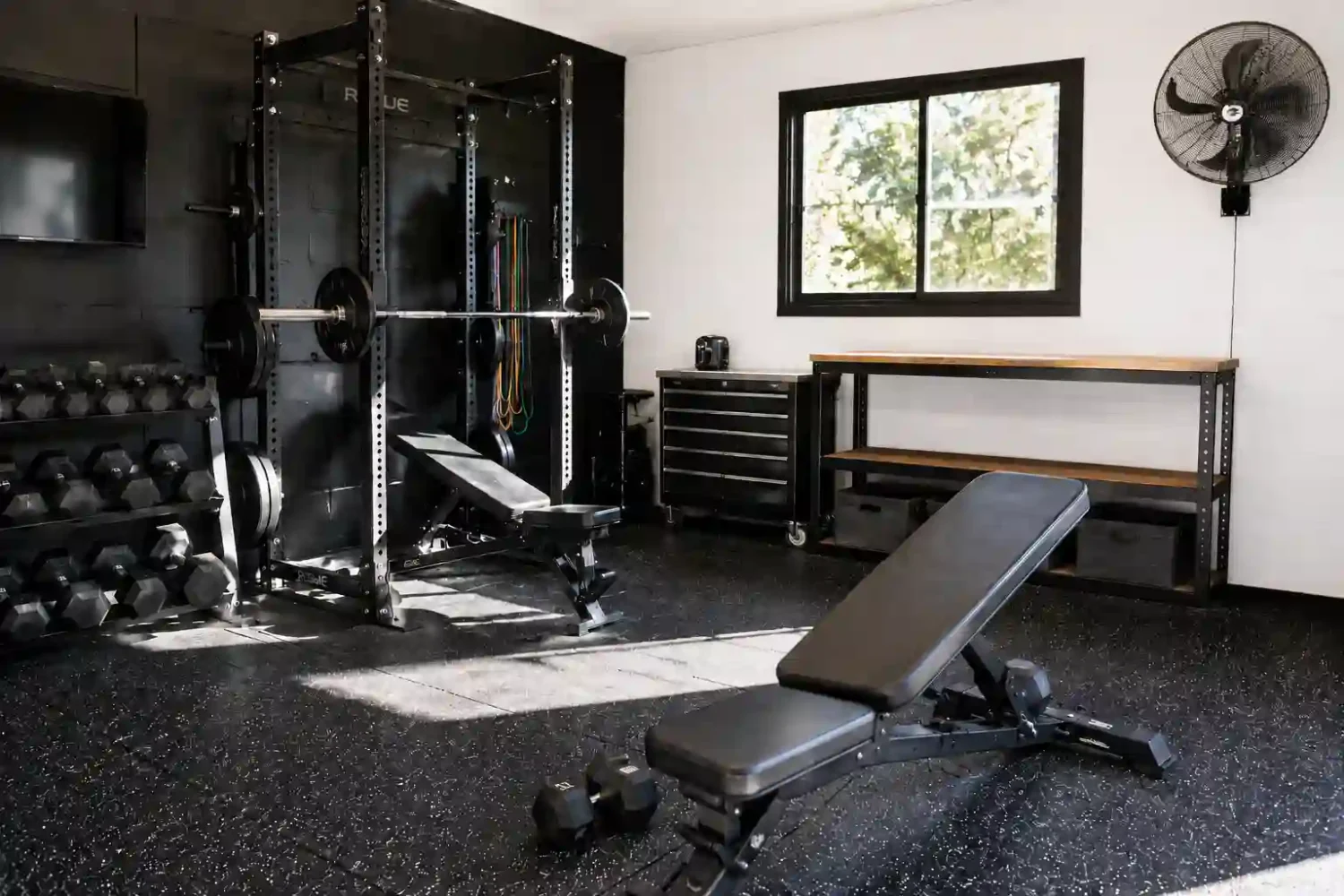
That is not a motivation problem. That is a ventilation problem. And if you are still building out your space, our Black Garage Gym Ideas post is a great place to start.
How to Tell If Your Garage Gym Needs Better Ventilation
You will know it when you feel it. Here are the signs your ventilation needs attention:
- The air smells musty or stale the second you walk in
- You sweat through your warm-up before the real work starts
- Condensation is showing up on your equipment or walls
- Your weights are starting to rust faster than they should
- Headaches during or after workouts are becoming normal
- The humidity feels thick and heavy even with the garage door open
If two or more of those sound familiar, your airflow is the problem.
The Best Ways to Ventilate a Garage Gym
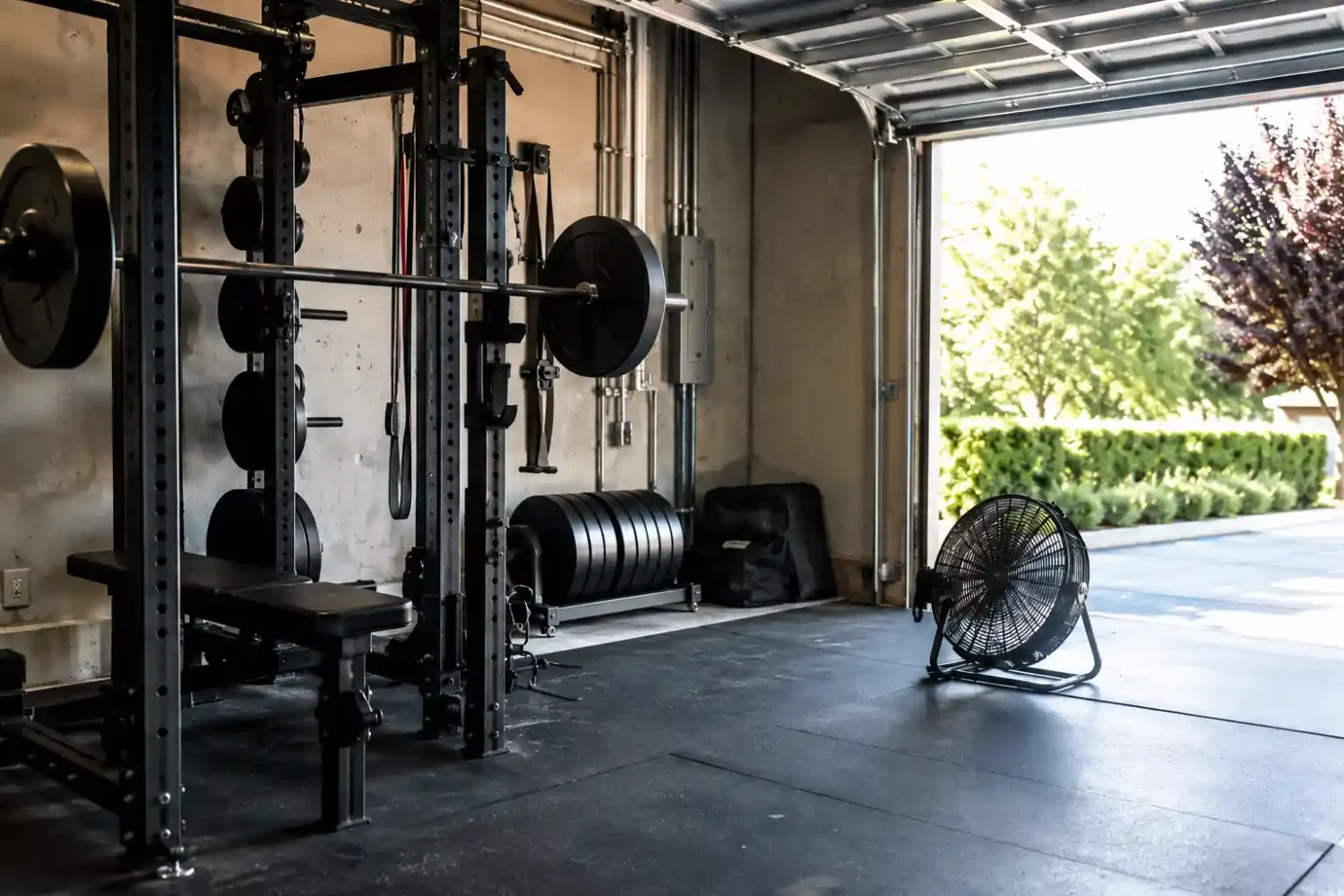
Not all ventilation is created equal. Some options move air. Others fix the problem.
Diy garage ventilation is more doable than most people think. You do not need to hire anyone for most of this. A weekend and a few hundred dollars covers a lot of ground.
| Option | What It Does | Cost | DIY Friendly |
|---|---|---|---|
| Cross ventilation | Opens airflow between two points, free and surprisingly effective | $0 | Yes |
| Garage vent fan | The workhorse, mounts high, pulls hot stale air out | $50-$150 | Yes |
| Ceiling fan | Circulates air but does not remove it, pair with exhaust fan | $50-$200 | Yes |
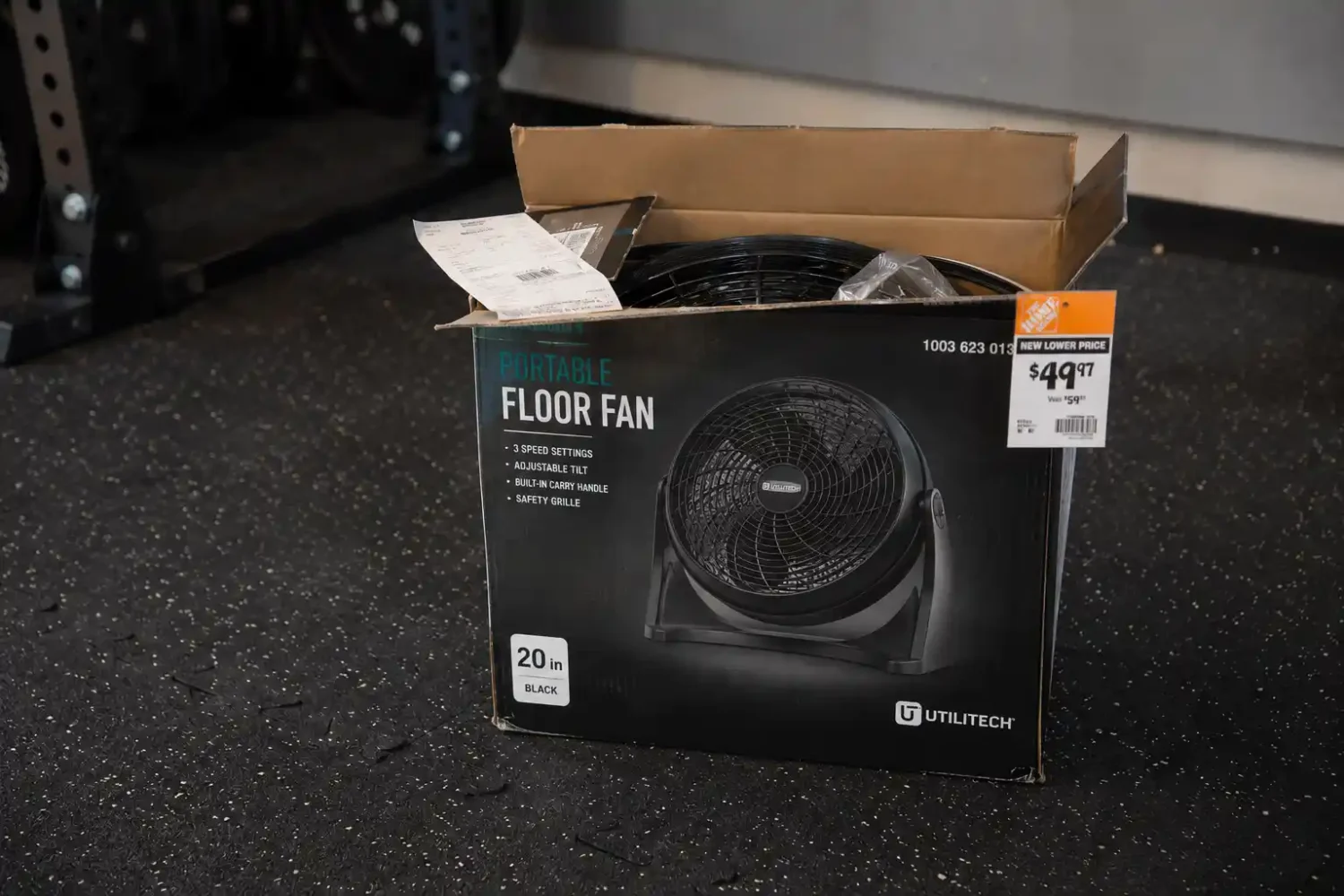
| Portable fan | Great for direct body cooling during a workout, not a long term fix | $30-$80 | Yes |
| Mini split system | The gold standard, handles heat, cold, and humidity year round | $1,500+ | No |
Start simple. Add as your budget allows.
How to Control Humidity in a Garage Gym
Humidity is the silent killer of a garage gym. You might not notice it right away but your equipment does.
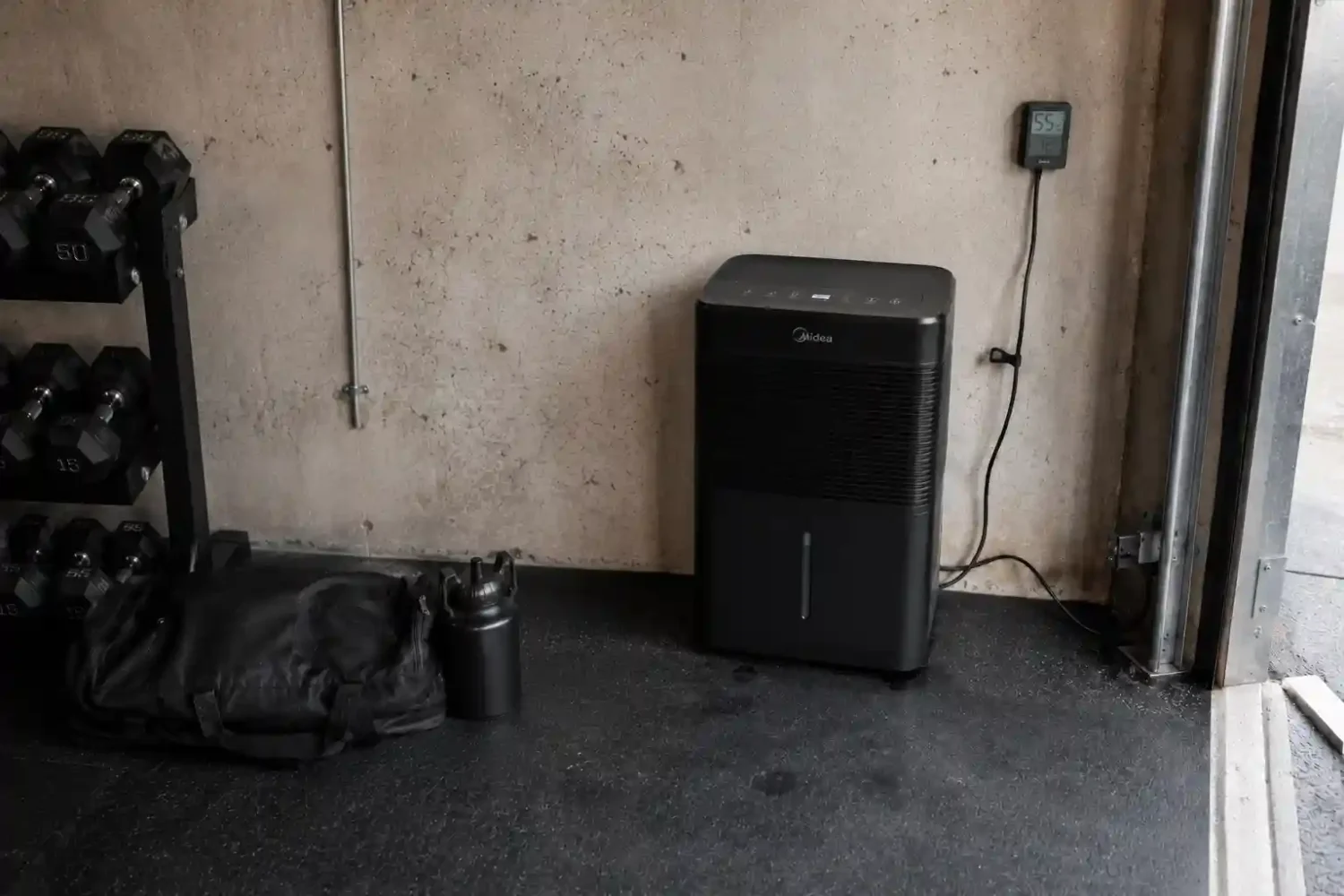
Keeping humidity between 30-50% is the goal. According to the EPA, that is the ideal range for healthy indoor air quality. Here’s how to get it there:
- Dehumidifier. A 50 pint unit handles most garage gym spaces without breaking a sweat
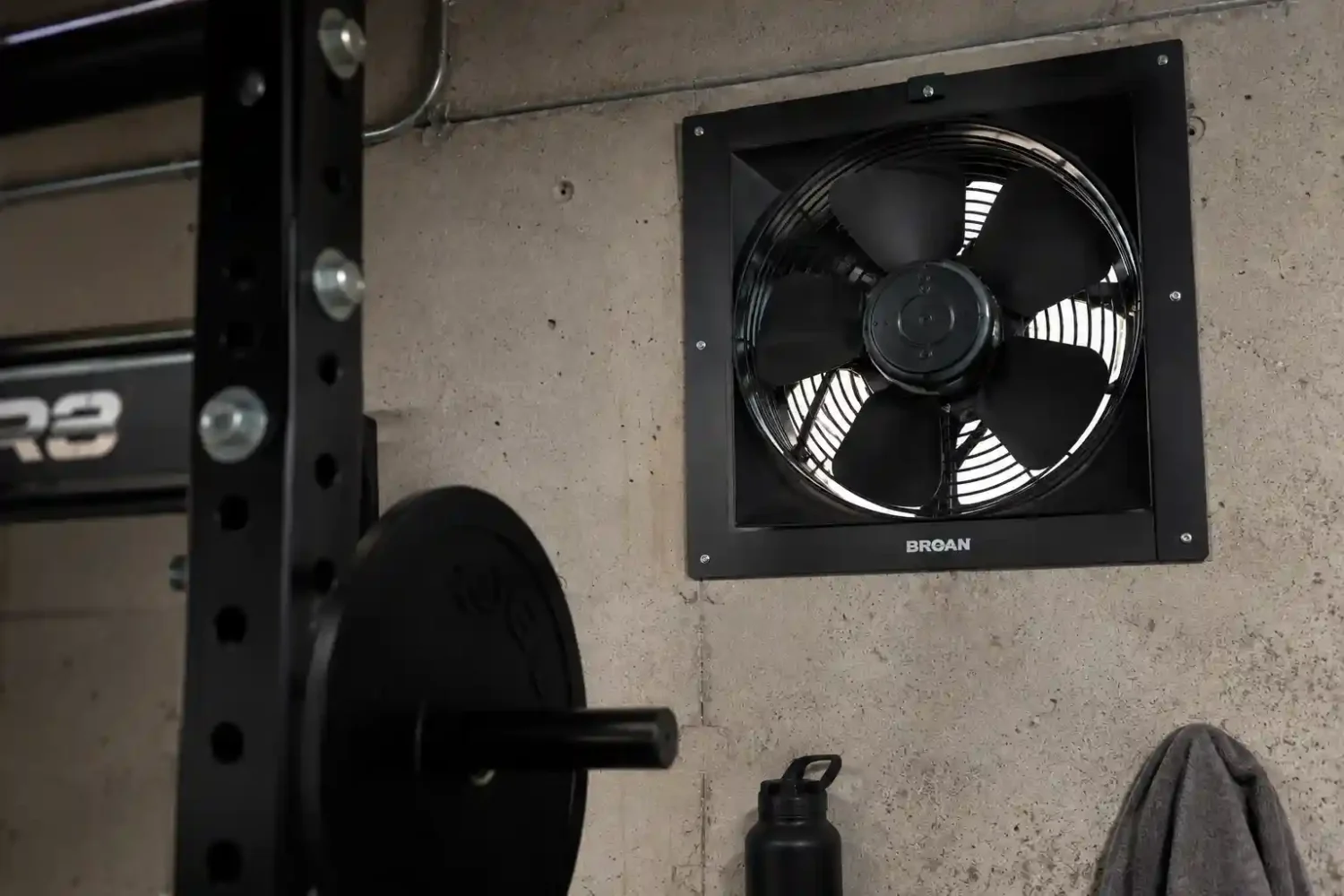
- Garage vent fan. Moves heat AND moisture out at the same time
- Vapor barrier. Essential if your garage shares a wall with the house
- Hygrometer. Under $15 and tells you exactly where your humidity stands
When it comes to diy garage ventilation, humidity control is the step most people skip. Humidity damage is expensive and completely preventable.
Choosing the Right Exhaust Fan Size for Your Garage Gym
Bigger is not always better. But too small and you are just moving hot air around.
Here is the simple math to find your minimum CFM (cubic feet per minute):
Square footage x ceiling height x 8, divided by 60 = your minimum CFM
Example: 300 sq ft x 10 ft x 8 = 24,000 divided by 60 = 400 CFM minimum
Garage Size Chart:
| Garage Size | Square Footage | Ceiling Height | Minimum CFM |
|---|---|---|---|
| 1 Car | 240-300 sq ft | 10 ft | 200-400 CFM |
| 2 Car | 400-576 sq ft | 10 ft | 400-768 CFM |
| 3 Car | 600-900 sq ft | 10 ft | 800-1200 CFM |
According to Alan’s Factory Outlet, for an average home garage, 5 air changes per hour is your baseline. During active workouts aim for 6 to 8. That chart above gets you there.
This is where garage fan ideas can get overwhelming fast. Stick to the math first, then shop.
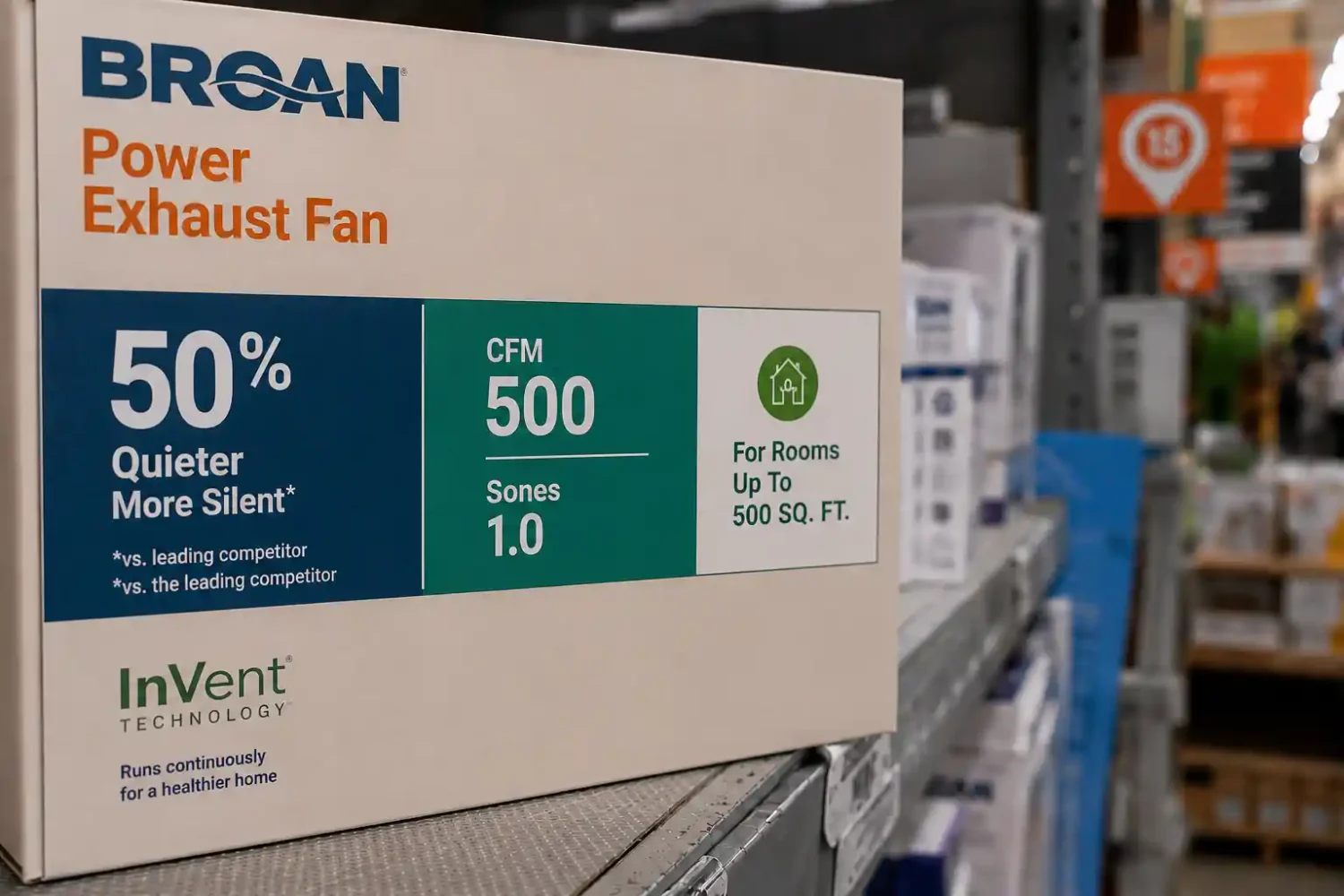
For most one and two car setups, a quality garage gym ventilation exhaust fan in the 400-600 CFM range does the job without breaking the bank.
A few things to look for when shopping:
- Variable speed settings
- Quiet motor under 55 decibels
- Easy wall or ceiling mount
- Weather resistant housing
Match your fan to your space. Don’t guess on this one.
Ventilation by Budget
You don’t need to spend a fortune to breathe easy in your garage gym. You just need to spend smart.
According to Garage Gym Builders, most garage gym owners can solve 80% of their ventilation problems for under $300. Here is how:
| Budget | What to Buy | What It Solves |
|---|---|---|
| Under $50 | Box fan, open garage door | Basic airflow, diy garage ventilation starting point |
| Under $150 | Wall mounted garage vent fan | Moves hot stale air out, immediate improvement |
| Under $300 | Exhaust fan plus dehumidifier | Heat and moisture both covered |
| Under $500 | Add a portable AC unit | Temperature control in any climate |
| $500 and up | Full setup, fan, AC, dehumidifier, ceiling fan | Year round comfort, every climate |
Start where your budget allows.
Creating a Comfortable Garage Gym Environment
Ventilation is the foundation. But a truly comfortable garage gym is about more than just airflow.
When you get all the pieces working together, something shifts. You actually want to go out there. Even in July. Even in January.
- Airflow sorted. Your diy garage ventilation plan is in place. Fan mounted, humidity controlled, fresh air moving in and stale air moving out. This is your starting point for everything else.
- Flooring dialed in. The right flooring protects your joints, your equipment, and your concrete slab. We cover every option in Best Garage Gym Flooring Ideas
- Lighting on point. Bad lighting kills motivation faster than bad air. If you haven’t sorted this yet, Garage Gym Lighting: Lights, Layout, Mistakes to Avoid is your next read.
- Storage handled. Clutter undoes all of it fast. Garage Gym Storage Ideas covers how to keep gear organized without eating your workout space.
- The aesthetic. Because a space that looks good is a space you actually use. Black Garage Gym Ideas That Look Badass pulls it all together.
When the air is clean, the floor is solid, and the lights are right, your garage gym stops feeling like an afterthought.
And that is when garage fan ideas stop being a chore and start being the fun part.
FAQ: Your Ventilation Questions Answered
How many air changes per hour does a garage gym need?
Aim for 6 to 8 air changes per hour when the gym is in use. For a 300 square foot garage with 10 foot ceilings that means a minimum of 400 CFM. Use the chart in the exhaust fan section to find your number.
What is the best garage vent fan for a one car garage?
For a one car garage you need a minimum of 200 to 400 CFM. Look for a wall mounted vent fan with variable speed settings and a quiet motor under 55 decibels. Match the CFM to your space first, then compare brands.
Can I do garage gym ventilation myself?
Yes, most of it is completely doable on a weekend. It’s as simple as a box fan and an open door and scales up to wall mounted exhaust fans with no contractor needed. Only a mini split system requires a professional.
How do I control humidity in my garage gym?
Run a dehumidifier and keep humidity below 50%. Pair it with an exhaust fan to move moist air out. Add a vapor barrier on shared walls if needed. A hygrometer under $15 lets you monitor levels without guessing.
What are the best fan ideas for a small garage gym?
For a one car gym start with a wall mounted exhaust fan and a portable fan for direct cooling. That combination of garage fan ideas covers airflow and body cooling without eating up floor space.
Home Hero Jen Mindset Shift
Most people put ventilation last on the list.
They buy the rack first. The barbell next. Maybe some flooring. And then six months later they are wondering why they dread going out there in the summer.
Air is not glamorous. You can not Instagram a fan.
But nothing else matters if you can not breathe.
Your garage gym is supposed to be your escape. The place you go to reset, push hard, and feel like yourself again. Bad air steals all of that before you even pick up a weight.
So here is your shift.
Stop treating ventilation like an afterthought and start treating it like the foundation. Because that is exactly what it is.
You do not need the perfect setup to start.
One fan. One step. That is enough to begin.