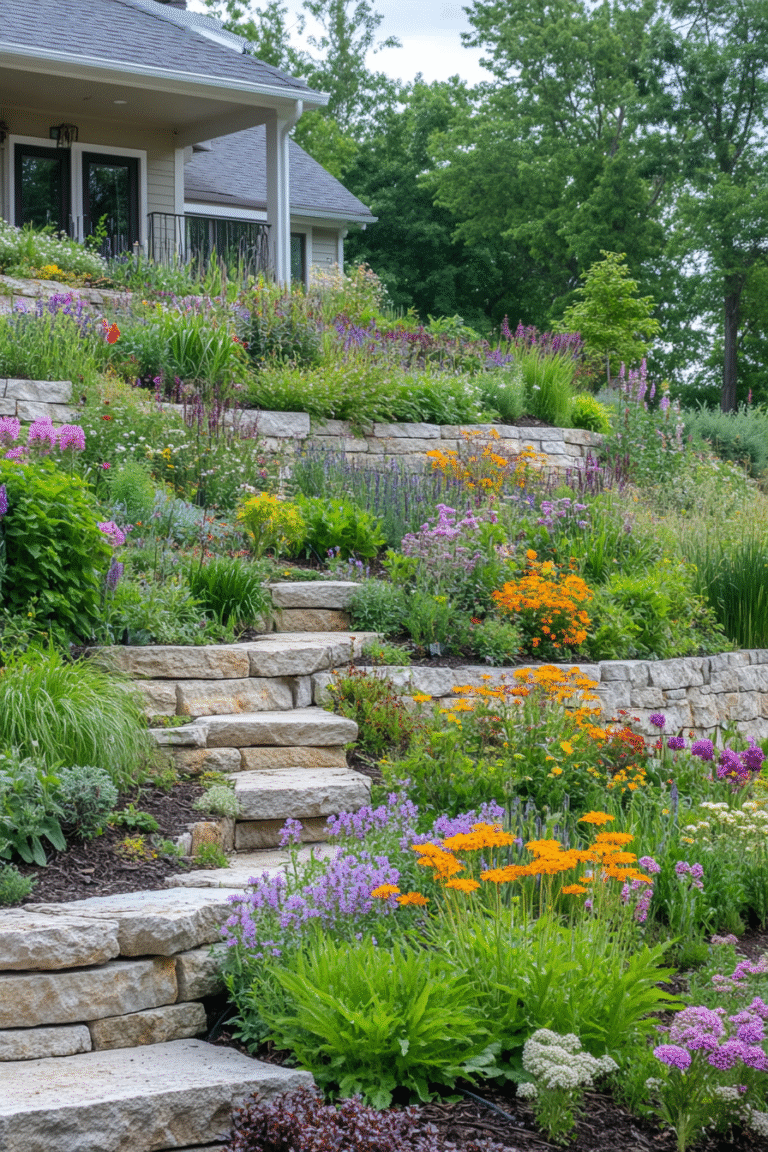
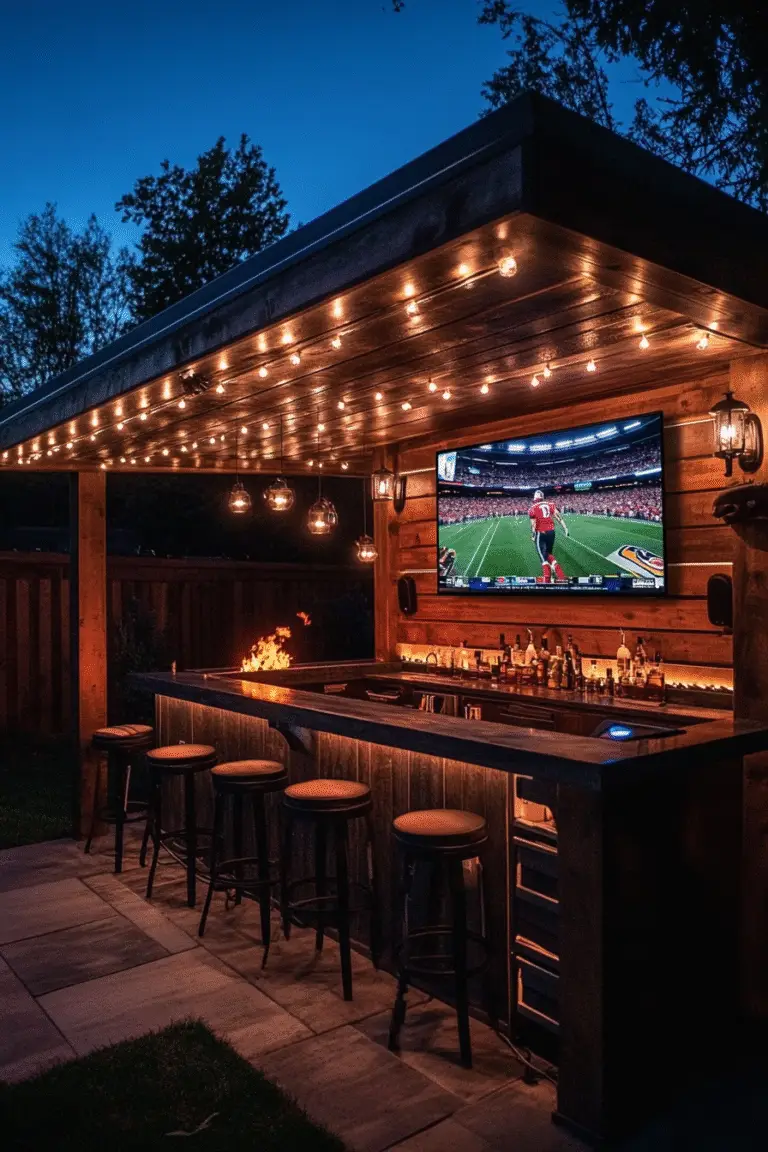
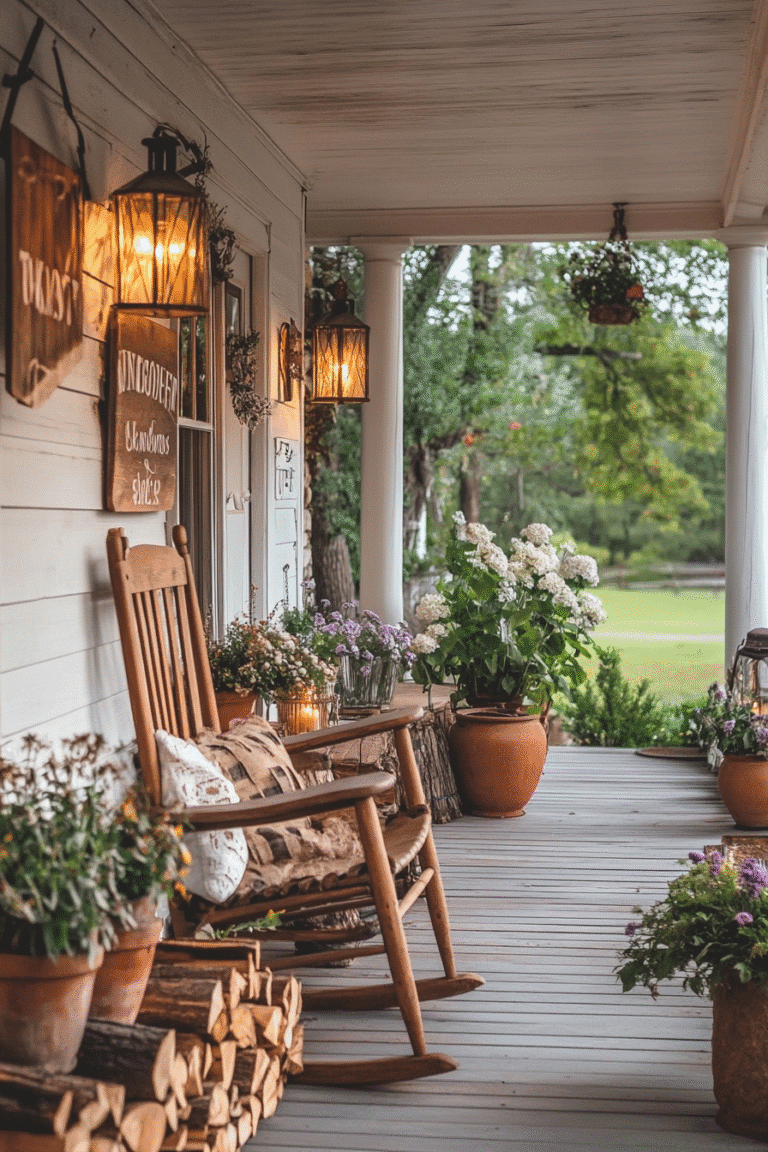
The best exterior lighting ideas don’t just add light, they add life. Most homes go completely invisible after dark, and the curb appeal you worked so hard on disappears with the sun.
As a former real estate broker, exterior lighting was one of the first things I flagged when prepping a home for sale. I can’t tell you how many times we pulled up to a showing at dusk and the yard fell flat. Buyers felt it before they even stepped inside, and that first impression absolutely affected what they were willing to offer.
A well-lit yard signals that someone cares, and that matters more than people realize.
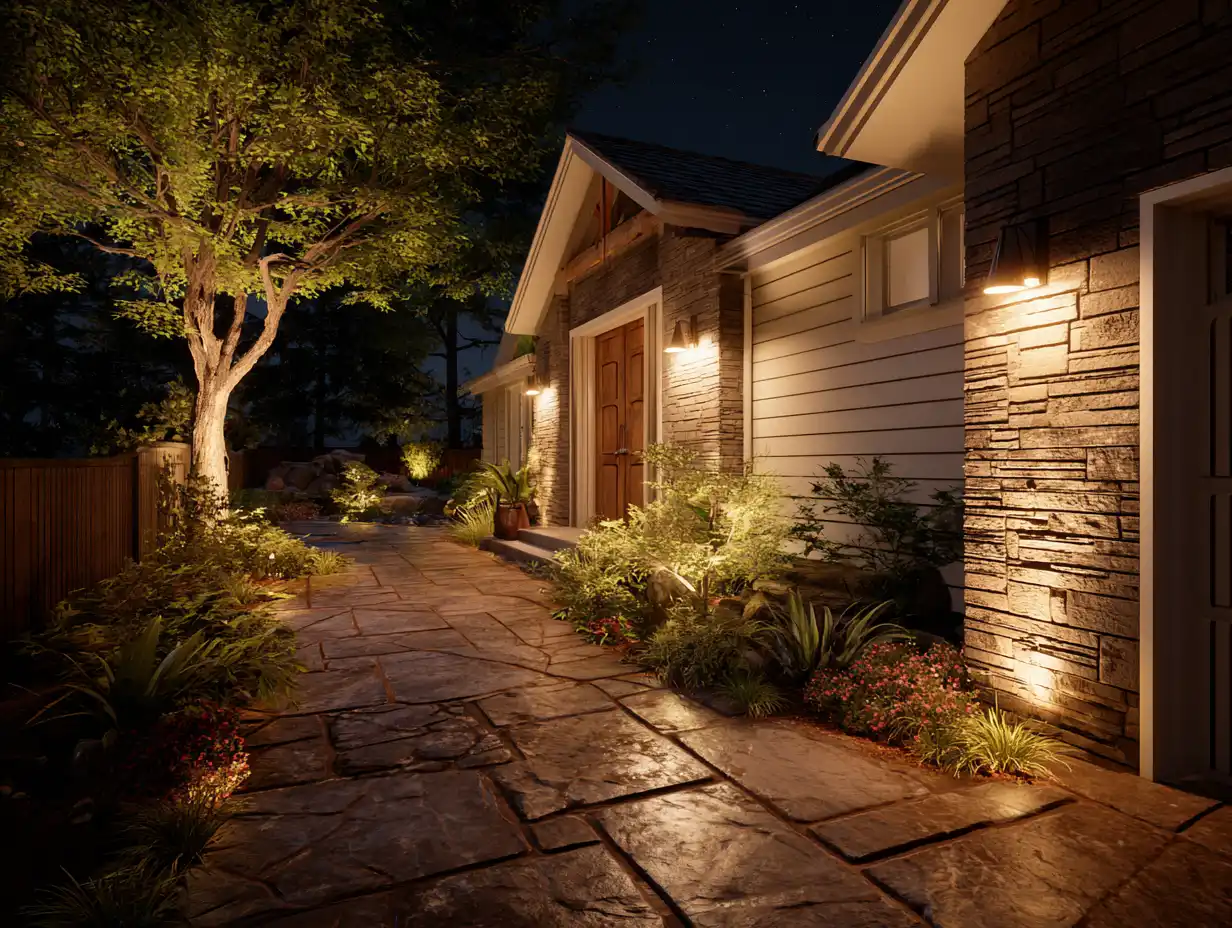
Three changes transformed our own yard: uplighting on the trees, evenly spaced walkway lights, and everything on timers. The house looked bigger, more polished, and like we actually meant it.
This guide breaks it down by zone so you know exactly what goes where, and why.
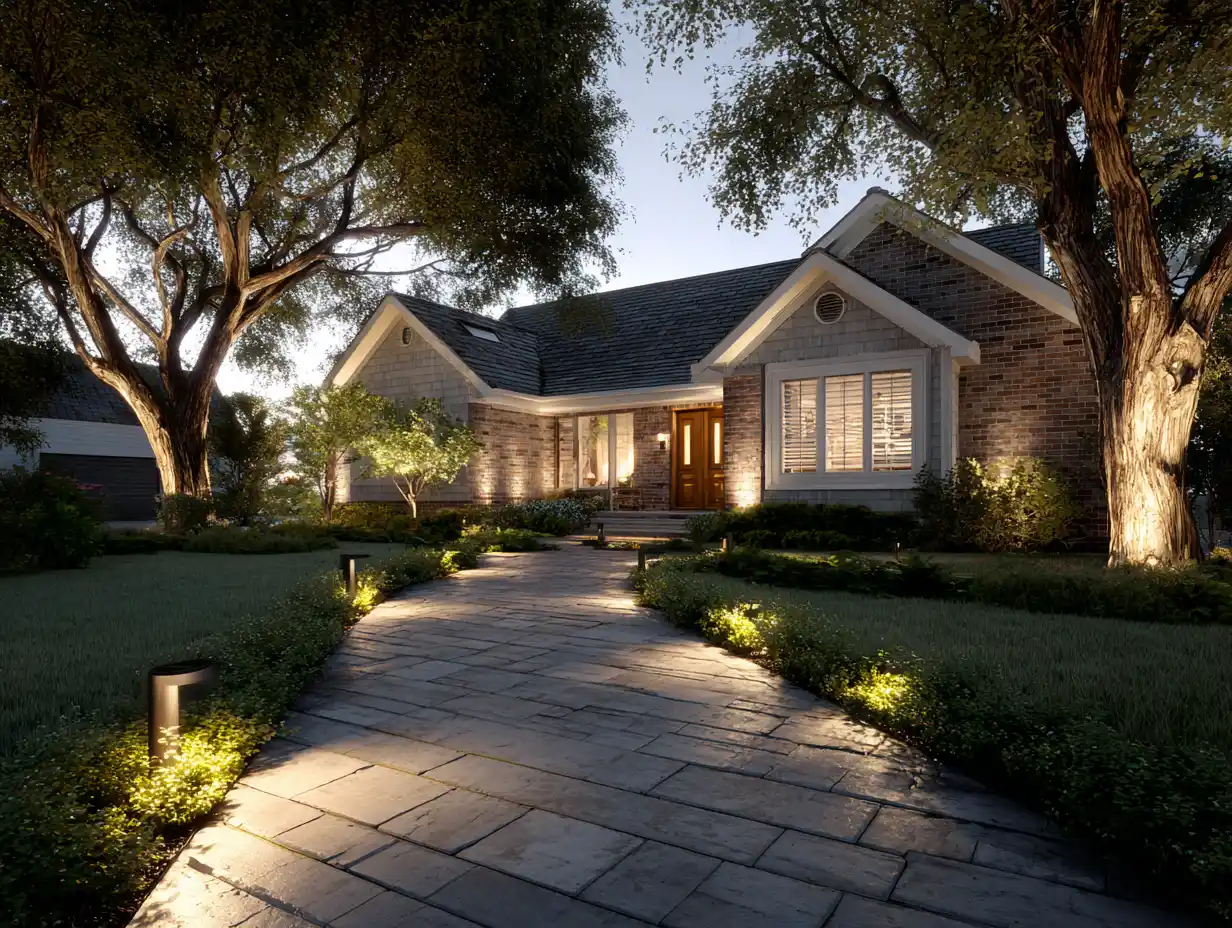
Table of Contents
Why Exterior Lighting Ideas Start With a Plan
Most people buy a few lights, stick them in the ground, and wonder why it still looks random. The problem isn’t the lights, it’s the lack of zones.
Good exterior lighting ideas work in three layers:
- Uplighting – highlights trees, architectural features, and anything with height. This is what gives a home presence at night.
- Pathway lighting – guides people safely and adds depth from the street.
- Entry lighting – your façade and front zone, the first impression before anyone reaches your door.
One more thing that trips people up: color temperature. Always go warm white, 2700-3000K. Cool white feels harsh and institutional outside. Warm white feels intentional and welcoming, and that’s exactly what you want.
Lighting Zone Quick Guide
| Zone | Best Light Type | Lumens Needed |
|---|---|---|
| Entry/Façade | Dusk to dawn wall fixture | 1,200-1,600 |
| Walkway | Solar pathway lights | 100-200 each |
| Trees/Architecture | Low voltage uplights | 400-600 each |
| Driveway | Solar stake lights | 100-150 each |
Low Voltage Landscape Lighting: The Upgrade That Changes Everything
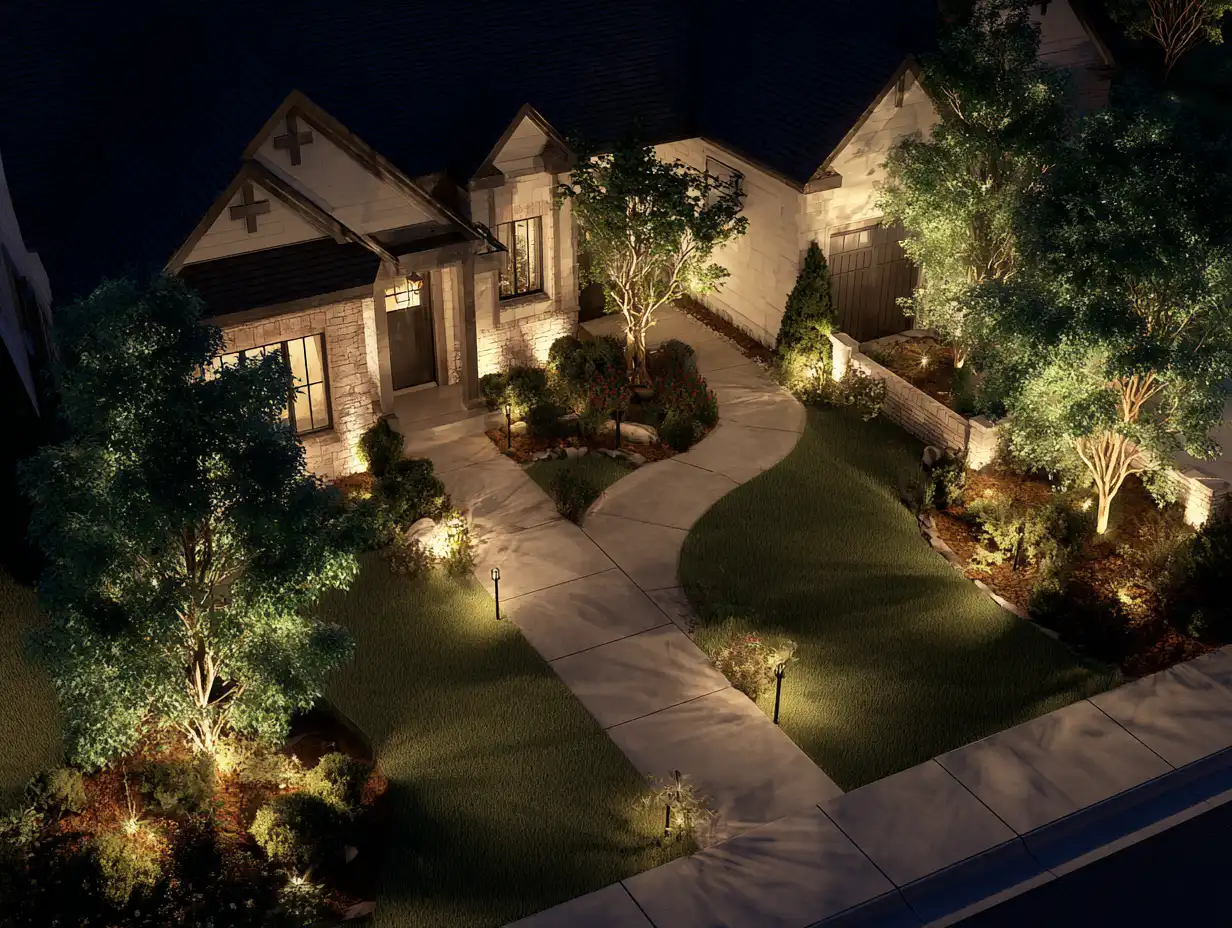
If I had to pick one change that made the biggest visual impact in our yard, it was this. We installed low voltage landscape lighting on our trees and architectural features, and the house looked bigger and more expensive overnight. It’s a Saturday project, not a renovation.
Here’s why it works so well:
- Runs on 12V, so it’s safe, energy efficient, and totally DIY friendly
- No electrician needed for most setups
- Transforms flat, dark landscaping into something with actual depth and dimension
- Works on timers so you never have to think about it again
How to aim your uplights:
- Trees: aim at the base and angle toward the canopy, not straight up
- Architectural features: aim low and let the light graze the surface for texture
- Aim too high and you lose the drama. Uplighting should graze, not spotlight
The SUNVIE Low Voltage Landscape Lighting Kit comes with everything you need including the transformer, wire, and 8 spotlights. It’s the exact type of kit I wish I’d had from the start.
Dusk to Dawn Outdoor Lighting: Set It and Forget It
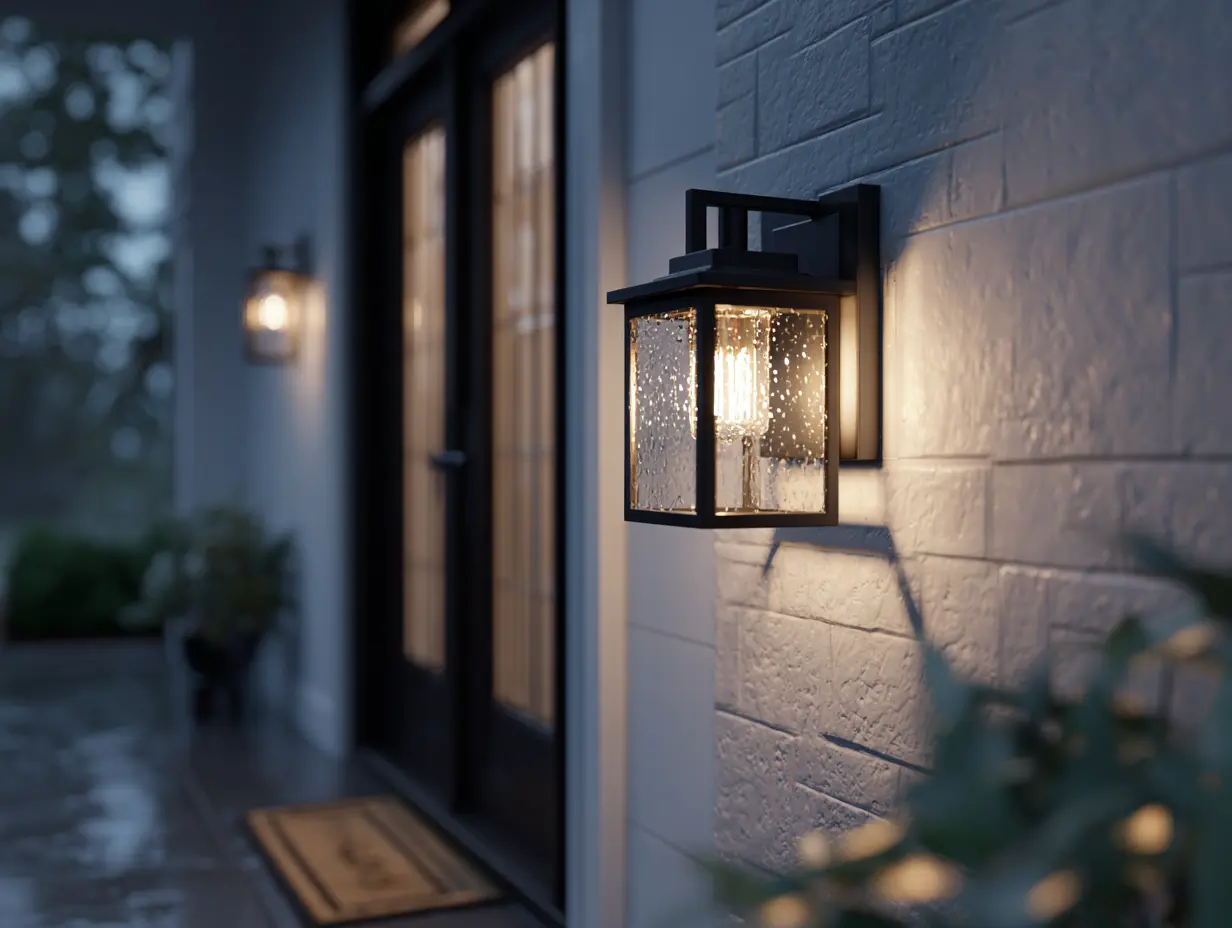
If you’ve ever driven home to a dark house because you forgot to flip the porch switch, dusk to dawn outdoor lighting is about to change your life. A built-in photocell sensor reads the natural light and turns your fixtures on at sunset and off at sunrise. Automatically. Every single night.
No apps, no schedules. It just turns on and does its job.
Use each type in the zone it’s built for:
| Type | Best For | Pros | Cons |
|---|---|---|---|
| Dusk to Dawn | Entry, façade, walkway | Always on, zero effort | Burns all night |
| Motion Sensor | Garage, side yards | Energy saving, security | Can startle guests |
| Timer | String lights, accents | Full control | Needs seasonal adjusting |
When we put our outdoor lighting on automation it was honestly one of those “why did I wait so long” moments. Everything just works, and the house has a quiet confidence every single night without us lifting a finger.
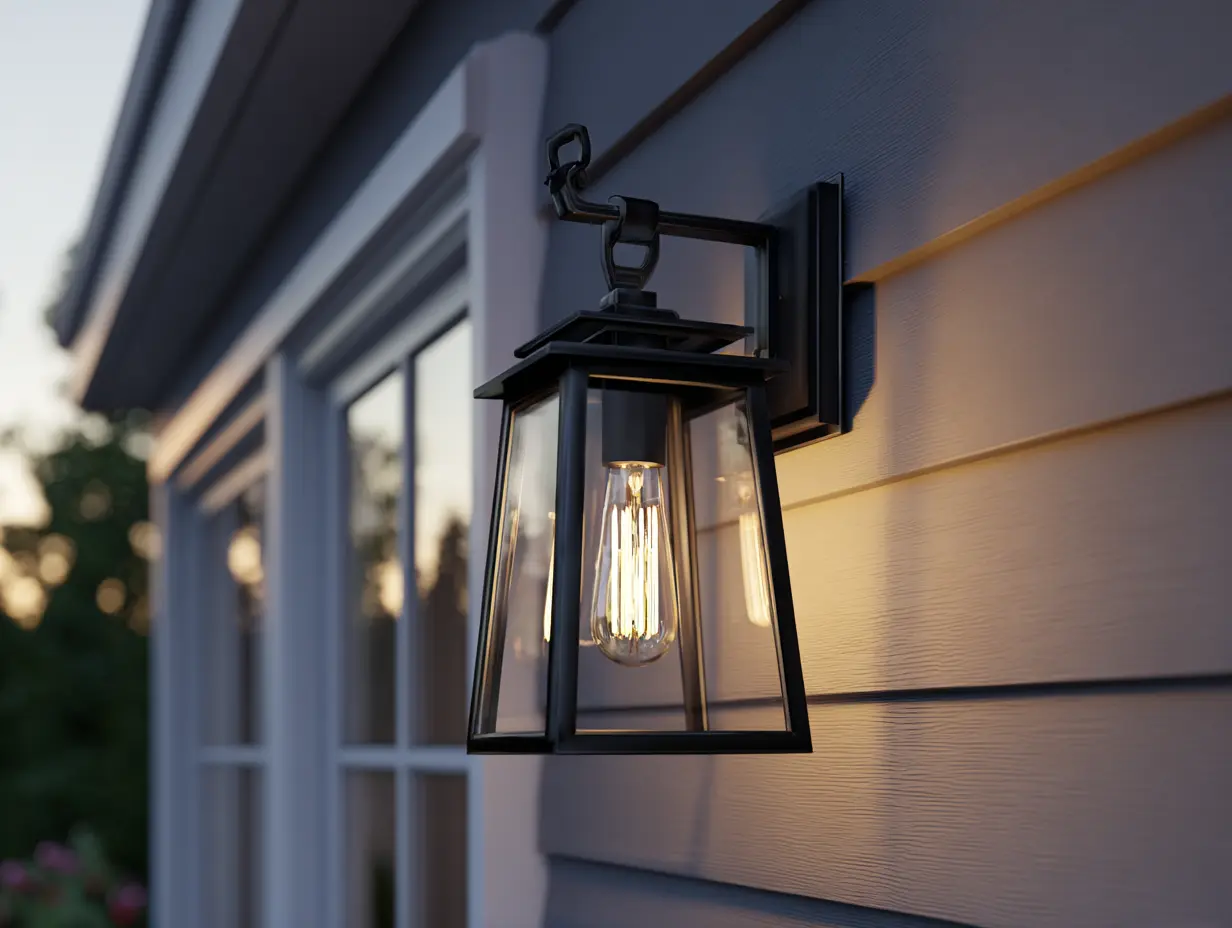
The Yolsunes Dusk to Dawn Outdoor Wall Light has a built-in photocell, crystal bubble glass, and a matte black finish that works with almost any home style. Clean, simple, no wiring surprises.
Walkway Lighting That Guides Without Looking Like an Airport Runway
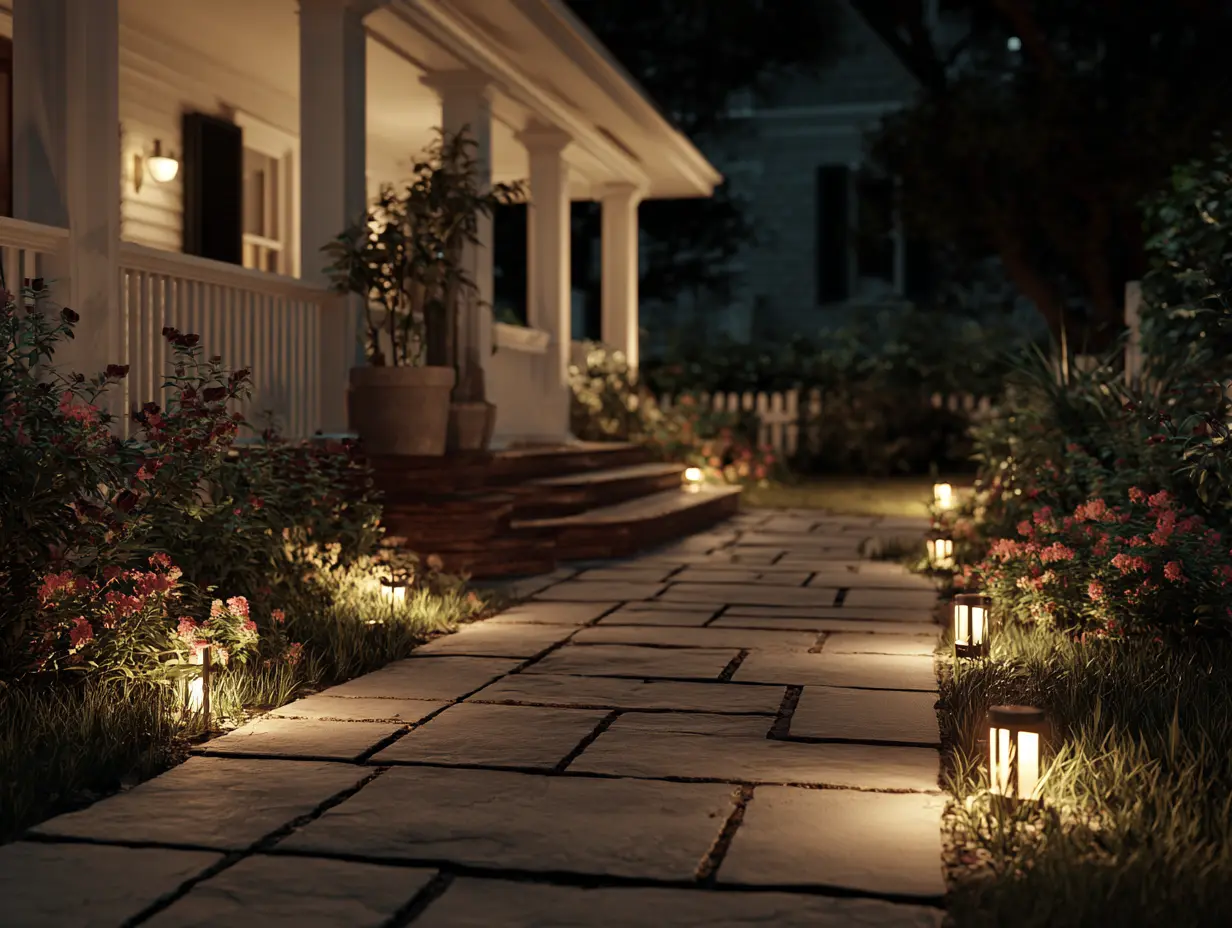
The goal of walkway lighting isn’t to flood your path with brightness. It’s to guide, create depth, and make your yard feel finished from the street.
Here’s what makes the difference:
- Space lights 6-8 feet apart for even coverage, no dark gaps
- Stagger them on alternating sides of the path for a natural, intentional look
- Keep lumens low, 100-200 per fixture, soft guidance not a spotlight
- Stick to warm white so it feels welcoming not sterile
- Choose solar for easy no-wire installation or low voltage if you want consistent brightness year round
Consistent spacing is what turns lighting into architecture.
The Mancra Solar Pathway Lights are glass and metal, not cheap plastic, and the warm white glow gives your yard a quiet, finished look from the street.
Tree and Architectural Uplighting: The Secret to a Yard That Looks Expensive
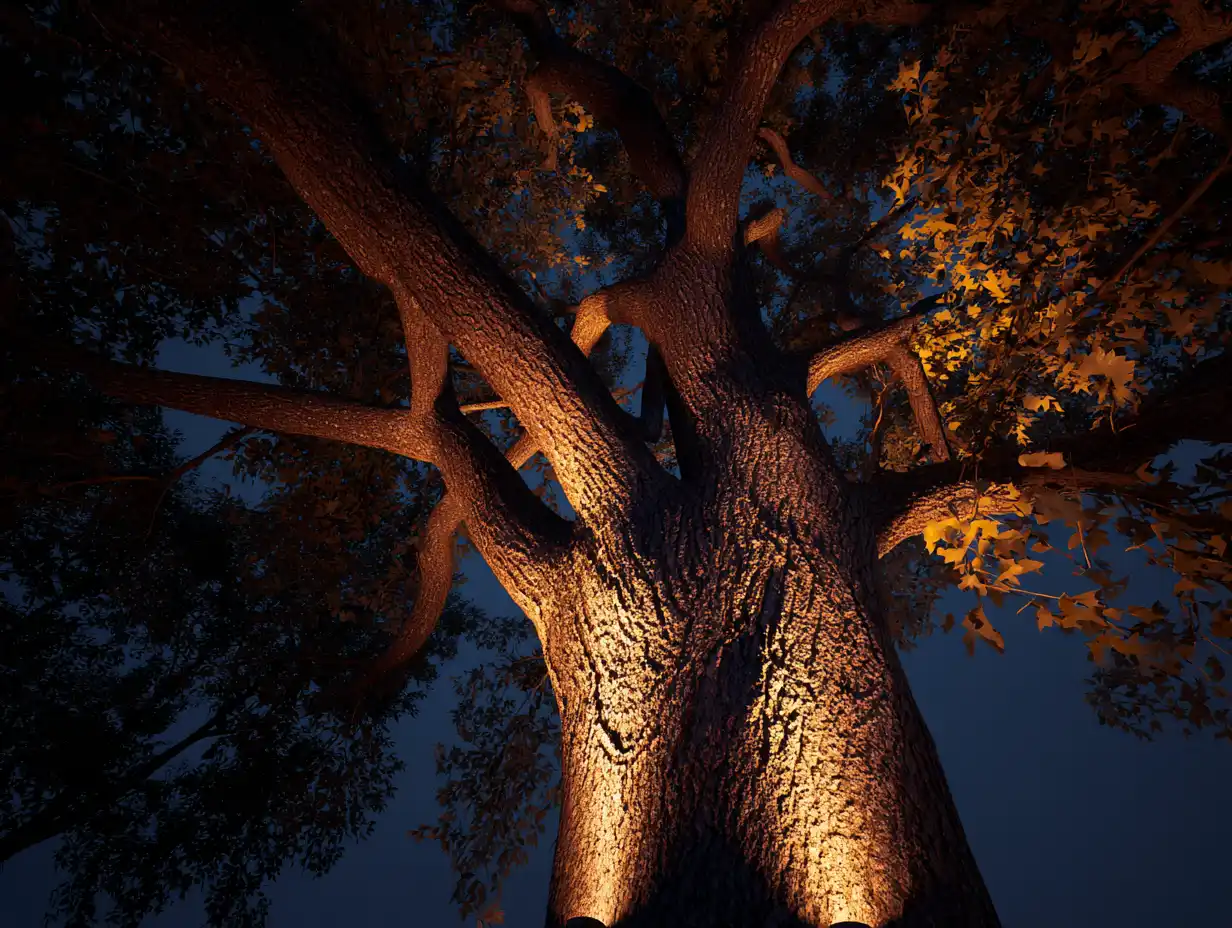
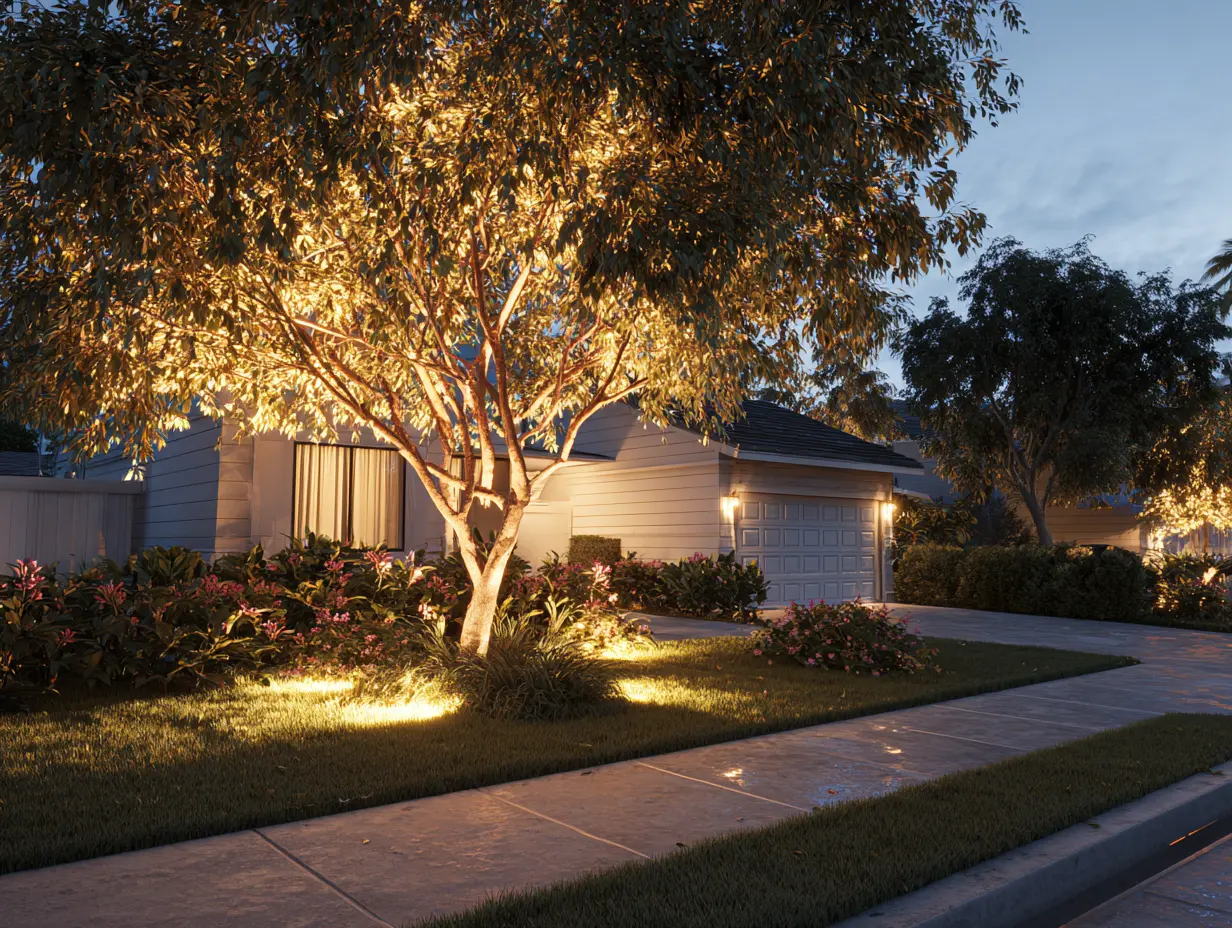
When people ask me about the best outdoor lighting upgrades, uplighting is always where I start. Uplighting adds height, drama, and depth once the sun goes down, and it’s what makes a yard look like it has good bones even when the landscaping is simple.
If I could only light one thing in a yard, it would be the trees.
Here’s how to do it right:
- Trees: place the uplight at the base, angle toward the canopy. Let the branches do the work.
- Columns or pillars: graze the light along the surface to show texture
- Garage or siding: aim low and wide, not straight up
- Shrubs or topiaries: one small uplight per plant, tucked at the base
The most common mistake is aiming too high. It blows out the effect and makes everything look flat. Low and angled always wins.
The FALOVE Solar Tree Uplighting Spotlights are adjustable, solar powered, and require zero wiring. Perfect starting point if you’ve never tried uplighting before.
Want to take your whole front yard to the next level? Check out Front Yard Landscaping Ideas That Instantly Boost Curb Appeal for simple upgrades that pair perfectly with great lighting.
How to Pick the Right Fixture Finish for Your Home Style
Fixture finish is a small detail that quietly pulls everything together. The wrong finish won’t ruin your lighting, but the right one makes it cohesive.
Quick guide:
| Home Style | Best Finish |
|---|---|
| Farmhouse / Craftsman | Matte black, oil rubbed bronze |
| Modern / Contemporary | Brushed nickel, matte black |
| Traditional / Colonial | Antique bronze, brass |
| Coastal / Cottage | Weathered brass, soft bronze |
A few rules that always hold:
- Pick one finish and stick to it across all your exterior fixtures
- Matte black is the safest choice, it works with almost every home style
- Warm bronze finishes pair best with warm white bulbs, which you should already be using
- Shiny chrome and cool silver finishes tend to look harsh outside at night
One of the best outdoor lighting upgrades you can make costs nothing. Just swap mismatched fixtures for ones that share the same finish. Instant cohesion.
Best Outdoor Lighting Combinations for Every Budget
Not sure where to start? These three exterior lighting ideas setups take the guesswork out completely.
| Budget | What to Buy | Est. Cost |
|---|---|---|
| Starter | Solar pathway lights + dusk to dawn wall fixture | $60-100 |
| Mid | Low voltage landscape lighting kit + dusk to dawn + solar uplights | $150-250 |
| Full Setup | Wired low voltage system + dusk to dawn + pathway + tree uplights | $300-500 |
Layer it in phases and let the yard evolve.
The Varmtalys Low Voltage Landscape Spotlights are a great mid-tier addition, adjustable color temperature and solid aluminum construction.
FAQ: Outdoor Lighting Ideas for Real Life (and Real Budgets)
How can I upgrade my lighting outside on a budget?
Start with solar pathway lights and a dusk to dawn wall fixture. Those two changes alone will make your yard look more intentional from the street without a big investment. Add one zone at a time and build from there.
Is outdoor lighting expensive to install?
It doesn’t have to be. Solar and low voltage landscape lighting kits are totally DIY friendly. A major visual upgrade doesn’t require a major budget when the fixtures are placed in the right zones.
Do you need an electrician to install outdoor lighting?
Only for hardwired systems. Most solar, string, or low voltage landscape lighting kits are safe and simple to install on your own. Look for plug-and-play options that require zero wiring knowledge.
Why does my outdoor lighting look off?
It’s probably a balance issue. Mixing color temperatures or placing a single light off-center can throw the whole setup. Stick to one tone (warm or cool) and aim for symmetry or visual weight.
What are the biggest outdoor lighting mistakes to avoid?
Over-lighting your yard like a stadium, mixing warm and cool tones, and ignoring balance. Don’t forget contrast, leaving some shadows creates depth and makes your lighting feel intentional.
Home Hero Jen Mindset Shift: You Don’t Have to Light It All at Once
Exterior lighting feels like one of those projects that has to be done all at once or not at all. It doesn’t.
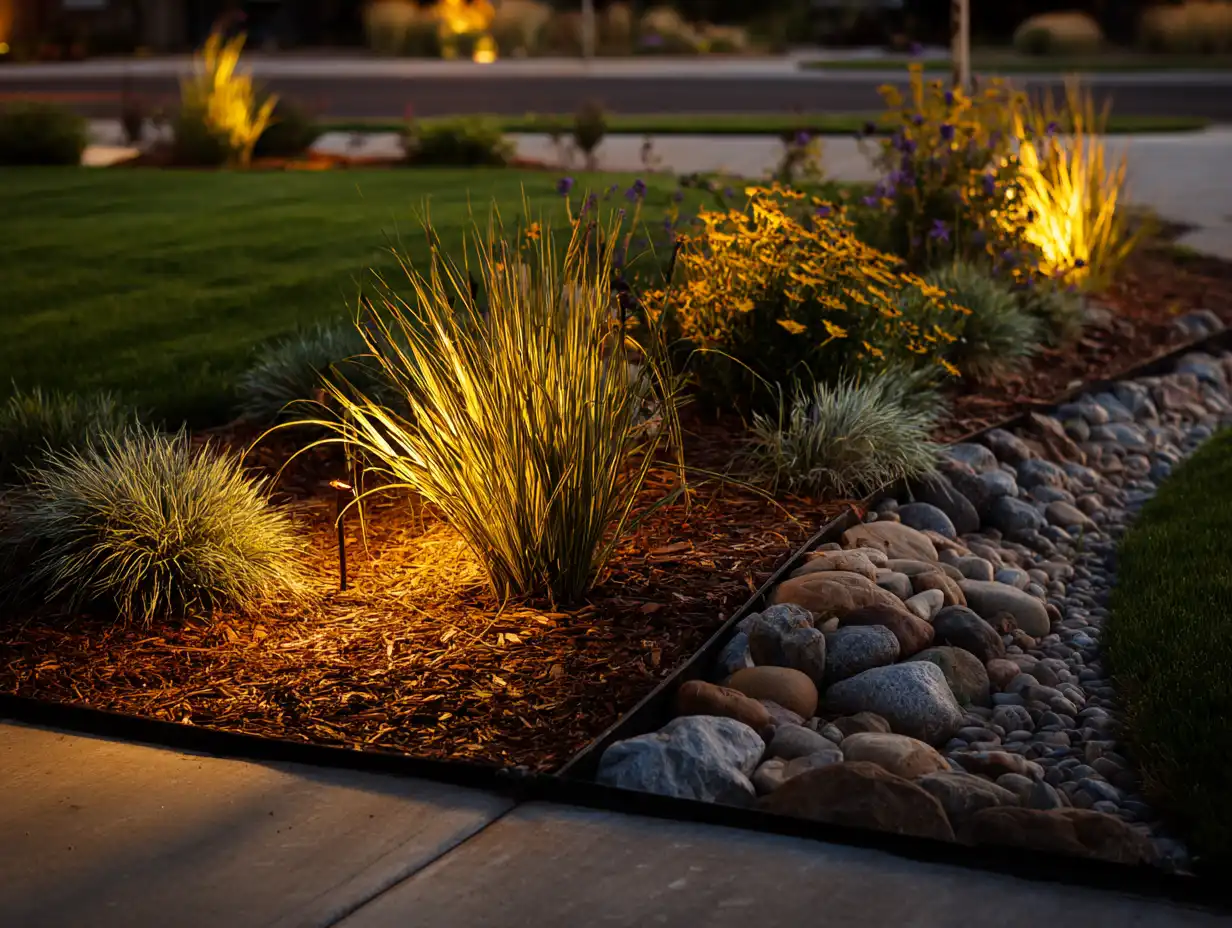
Pick one zone. Just one. Start with your walkway or aim one uplight at a tree you love. That single change will make you pull into your driveway differently. It will make your home feel more welcoming after dark.
And then you’ll want to do the next one.
You don’t need a perfect plan or a big budget to start. You just need one light in the right place. That’s how every great yard begins, one intentional decision at a time.
If this resonates and you’re feeling overwhelmed by more than just lighting, this one’s for you: How One Mindset Shift Changed My Overwhelmed Home
You’ve got this. 💛