
If you’ve been going back and forth on the whole patio vs deck debate, you are not alone.
It’s one of the most common backyard questions I heard during my 20+ years as a real estate broker, and it’s one of the most important ones to get right. The choice you make can affect your budget, your yard, and yes, your home’s resale value. I have a covered patio at my own home and I’ll be real, I have full-on TREX deck envy.
So let’s walk through this together and figure out which one makes the most sense for your yard, your lifestyle, and your wallet. Because the difference between a patio and a deck is about a lot more than just what they look like.

Table of Contents
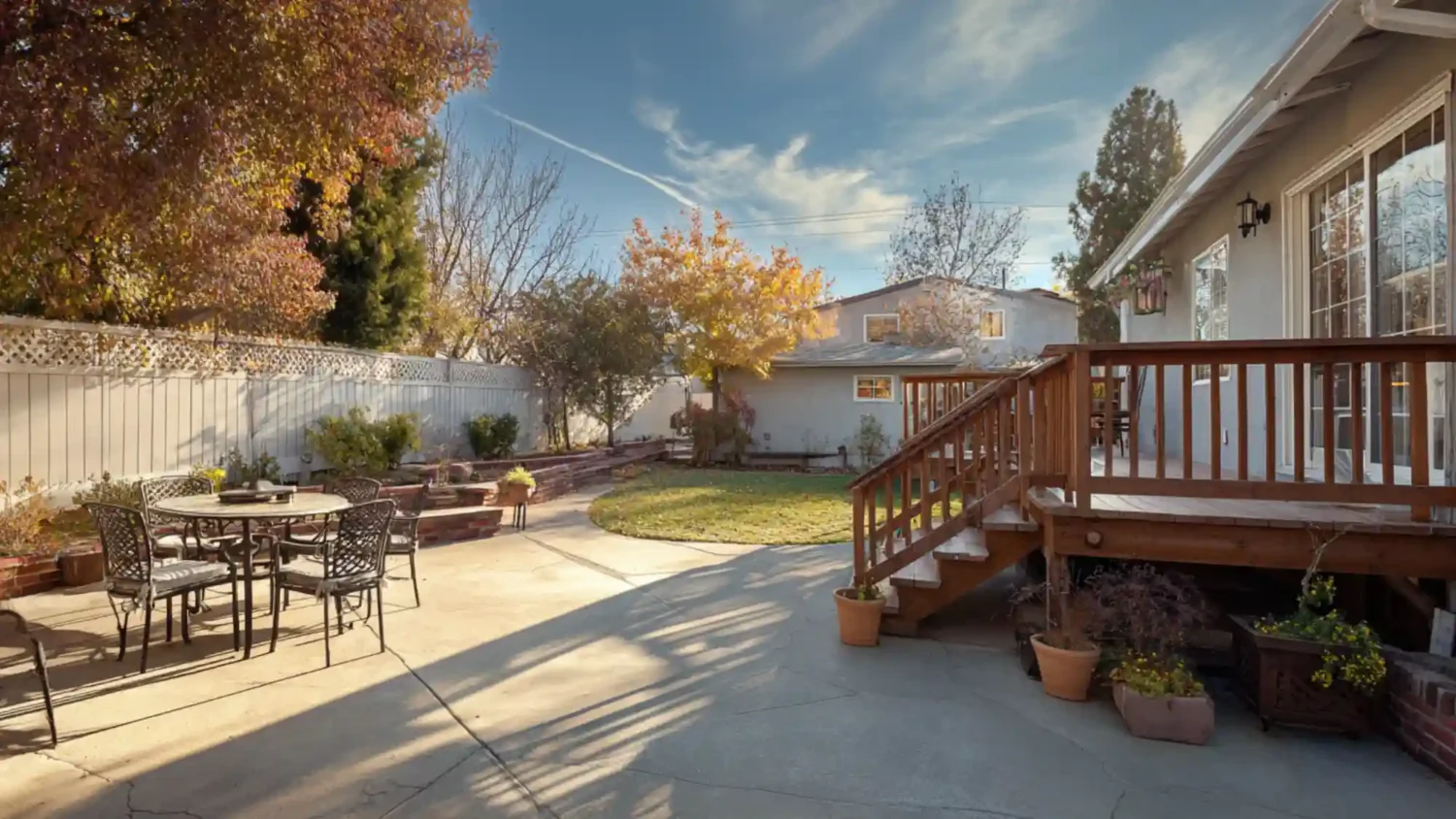
1. Patio vs Deck: What’s the Difference?
The difference between a patio and a deck comes down to two things: where it sits and what it’s made of.
Here’s a quick side-by-side:
| Feature | Patio | Deck |
|---|---|---|
| Ground level | Yes | Usually elevated |
| Attached to home | No | Typically yes |
| Common materials | Concrete, pavers, stone | Wood, composite |
| Permit usually required | Sometimes | Almost always |
| Best for flat yards | Yes | Yes, and sloped too |
Both can be stunning outdoor spaces. The patio vs deck decision really comes down to your yard, your budget, and your goals, and we’re going to break all of that down.
If you’re dreaming up what your outdoor space could look like, check out my Backyard Retreat Ideas to Create Soul Spaces for some serious inspiration before you commit to anything.
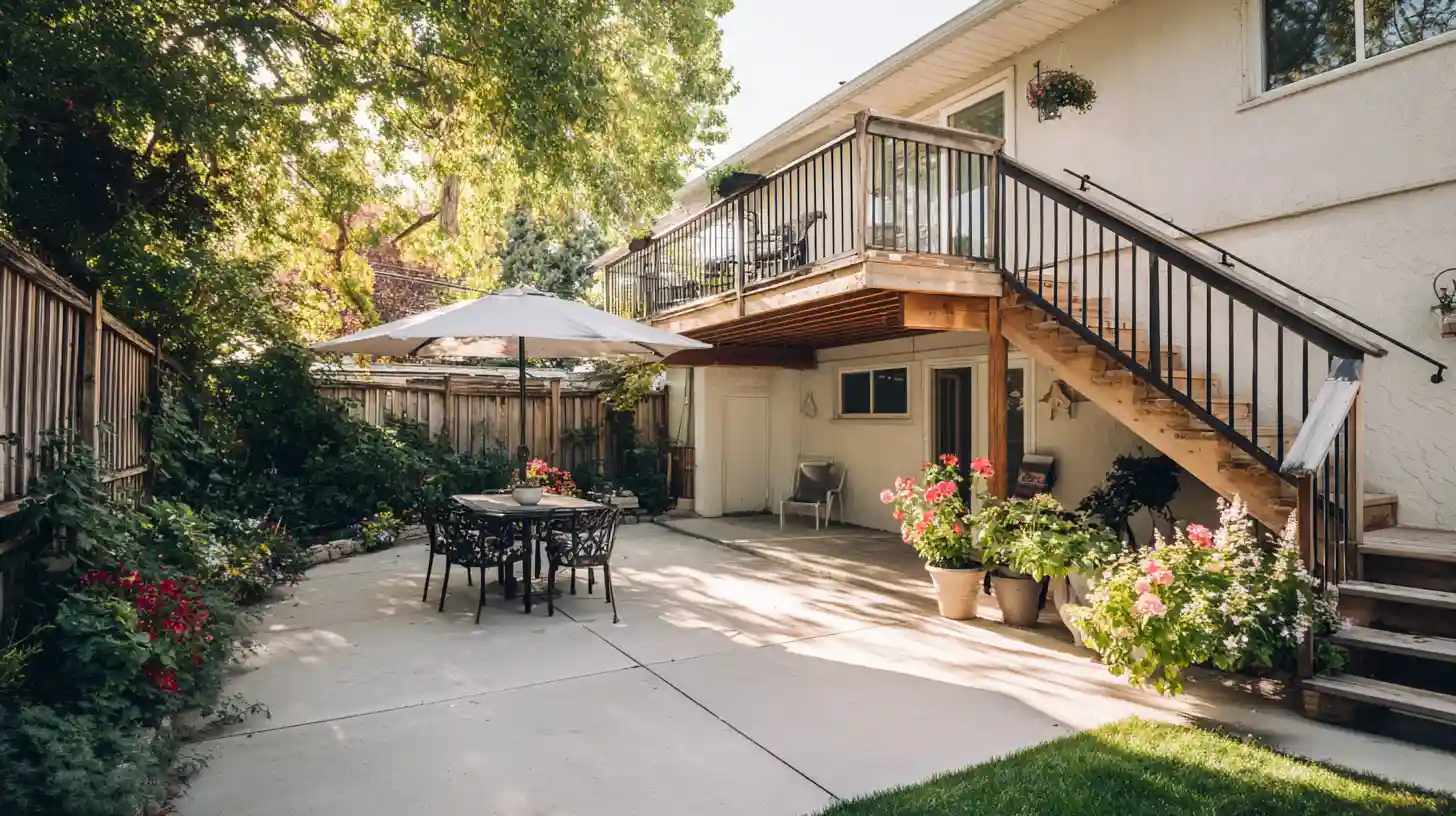
2. Deck vs Patio Cost: Average Pricing
This is where your money plays into your decision. And as someone who spent 20+ years advising homeowners before listing, I can tell you, cost is almost always the first question.
According to the NAR 2023 Remodeling Impact Report:
- New patio average cost: $10,500
- New wood deck average cost: $16,900
- Composite deck materials: $15-$30 per square foot
Here’s how they stack up:
| Feature | Patio | Wood Deck | Composite Deck |
|---|---|---|---|
| Avg. Cost | $10,500 | $16,900 | $15-30/sq ft |
| ROI at resale | 95% | 83-89% | Higher long-term |
| Maintenance cost | Low | High | Very low |
A few things worth knowing:
- Permits, grading, and labor can shift these numbers significantly depending on your area
- Patios cost less upfront AND recover more at resale
- Wood decks look beautiful but the annual staining, sealing, and repairs add up fast
- Composite decks cost more initially but are nearly maintenance free long-term
If you’re doing a DIY patio, one thing I always tell people, don’t skip the sealer. A good concrete patio sealer from Amazon can save you a lot of heartache down the road and it’s a fraction of the cost of repairs later.
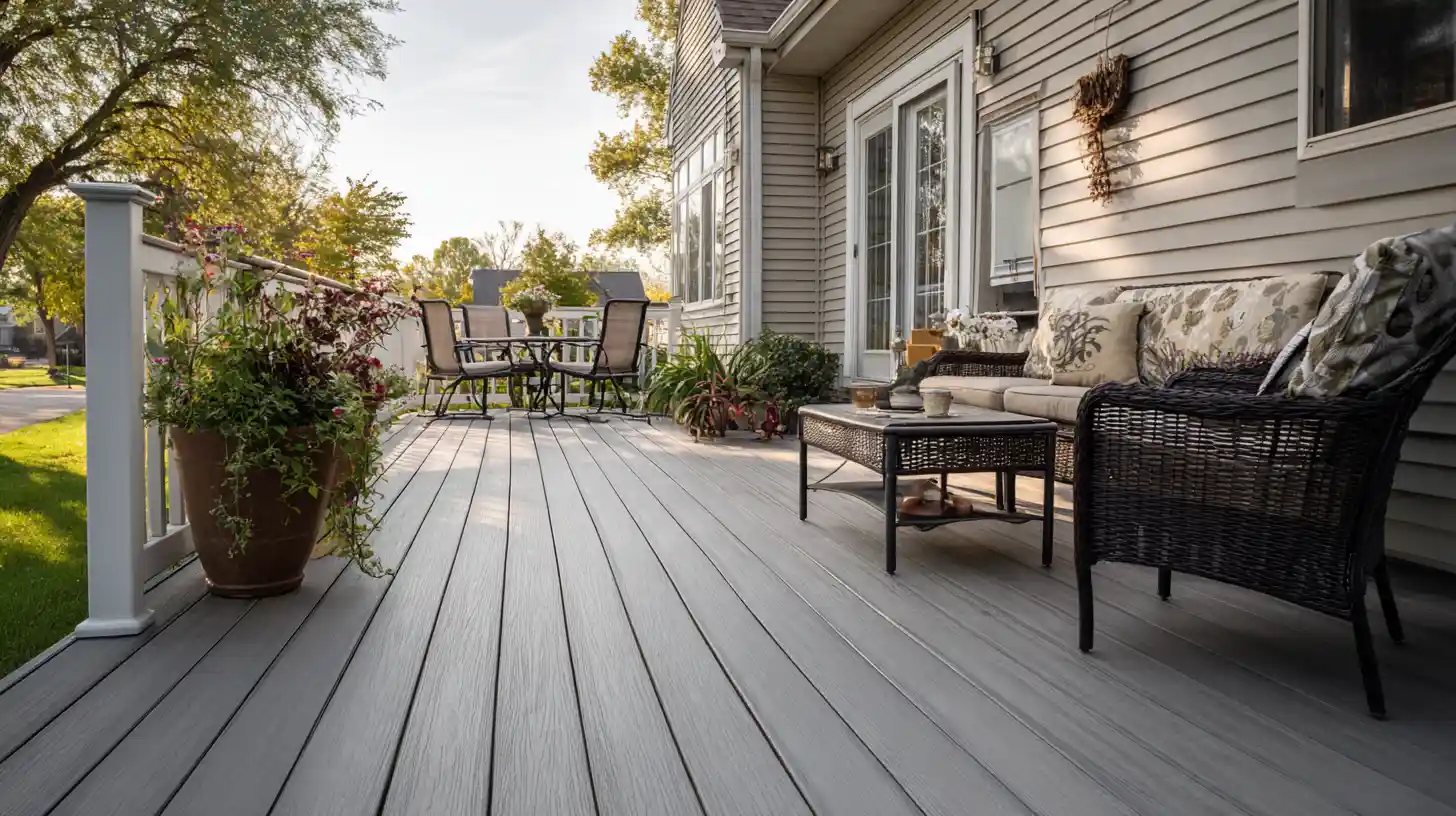
3. Home Value and ROI: What the Data Says
I’ve watched buyers walk away from decks that looked like a liability, not an asset. A rotting wood deck, a poorly designed patio, or anything that screamed “deferred maintenance” could kill a potential offer fast. And when you factor in deck vs patio cost against what you actually get back at resale, the numbers tell a pretty clear story.
But here’s what the data doesn’t tell you:
- A poorly built deck can hurt your sale
- High-maintenance wood decks can be a red flag for buyers
- Design matters, a beautiful outdoor space can be the difference between a fast sale and a price reduction
My opinion? If you’re planning to sell within a few years, a well-built patio almost always wins on ROI. If you’re staying long-term, a composite deck is worth every penny.
For more ways to boost your home’s value from the outside in, check out my Front Yard Decor Ideas That Instantly Boost Curb Appeal.
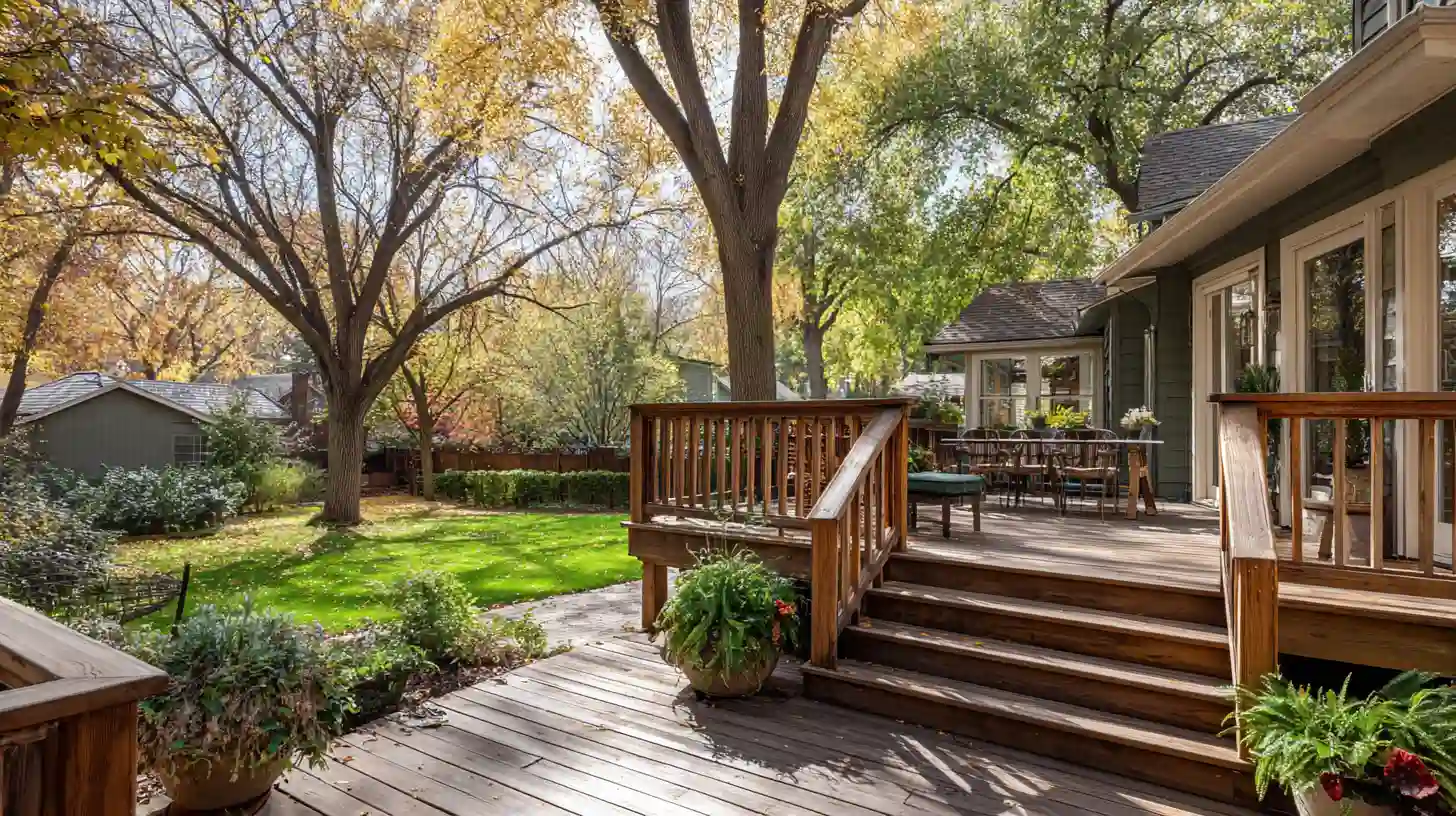
4. Deck for Sloped Yard: Which Option Wins?
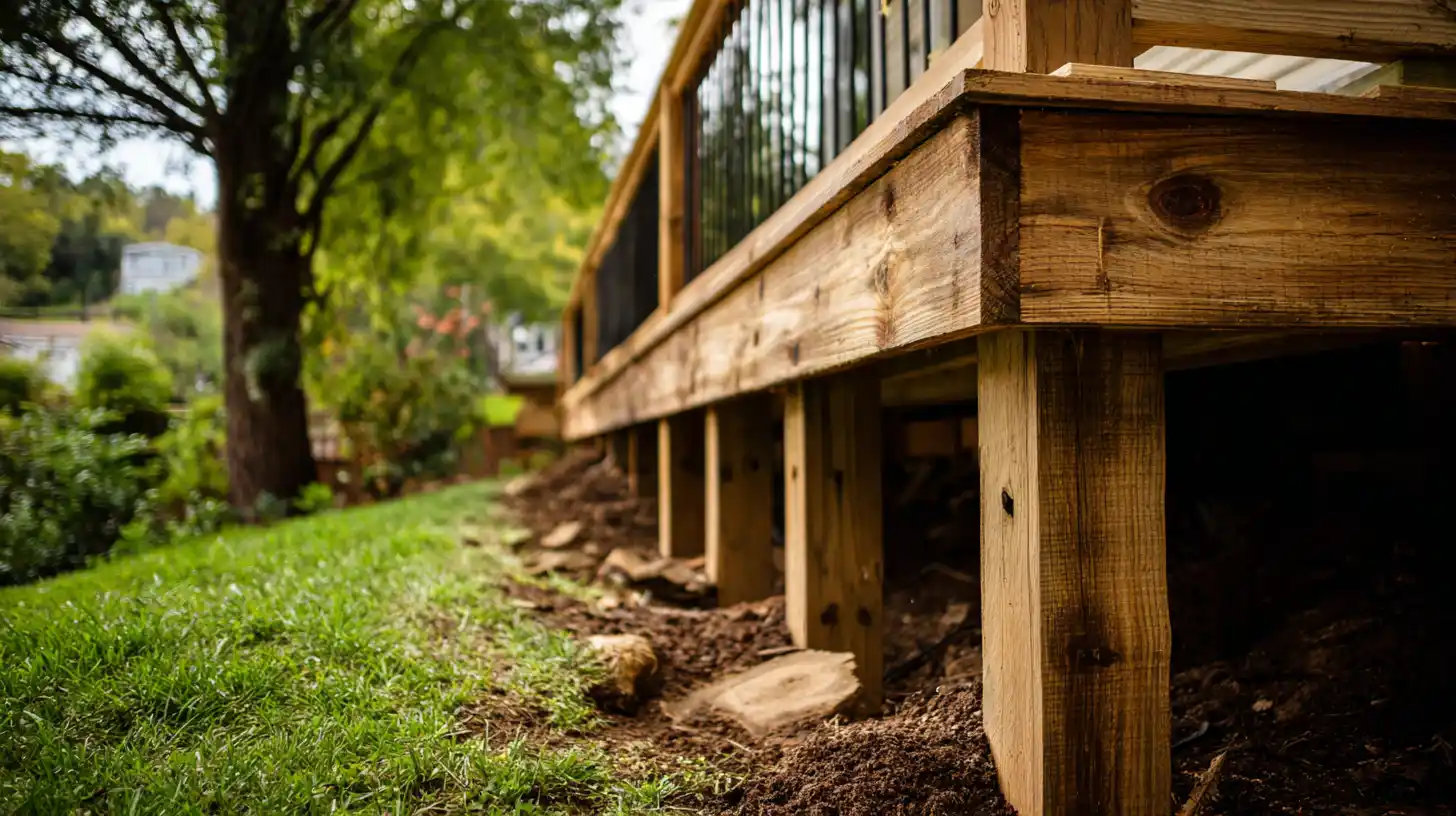
If your yard has a slope, this one’s for you. A deck for sloped yard situation is almost always the more practical choice, here’s why.
Why decks win on a slope:
- No grading or excavation needed
- Built up and over the slope without disturbing your landscape
- Water drains naturally underneath
- Bonus storage space under the elevated structure
When a patio can still work:
- The grade is gentle and grading costs are minimal
- You’re okay with retaining walls as part of the design
- A deck for sloped yard build is outside your budget right now
For more inspiration on tackling a tricky slope, my Steep Hill Landscaping Ideas That Transform Your Slope is a great place to start.
5. Materials and Climate Considerations
The difference between a patio and a deck goes beyond structure, materials matter just as much depending on where you live.
Patio Materials:
- Concrete, affordable but can crack in freeze/thaw climates without sealing
- Pavers, flexible and easy to repair but can shift over time
- Flagstone, beautiful but pricier and slippery when wet
- Brick, classic and durable but can get uneven in cold climates
Deck Materials:
- Pressure treated wood, most affordable upfront but needs annual staining and sealing
- Cedar or redwood, naturally rot resistant but still needs regular upkeep
- Composite like TREX, higher upfront cost but I am personally obsessed, no splinters, no staining, just easy
- PVC decking, similar to composite but made entirely from plastic
Climate quick hits:
- Cold climates are hard on wood decks and unsealed concrete
- Hot dry climates cause pavers to shift and wood to crack
- Rainy climates need solid drainage plans for both
- Composite holds up in almost every climate, which is a big reason the deck vs patio cost conversation shifts when you factor in long term maintenance
6. Maintenance and Longevity For Your Patio or Deck
Let’s talk about what happens AFTER the build, because this is where the real patio vs deck difference shows up.
Patio Maintenance:
- Sweep and rinse regularly
- Seal concrete every 2-3 years to prevent cracking and staining
- Reset pavers if they shift over time
- Watch for drainage issues after heavy rain
- Overall, patios are the lower maintenance option of the two
Wood Deck Maintenance:
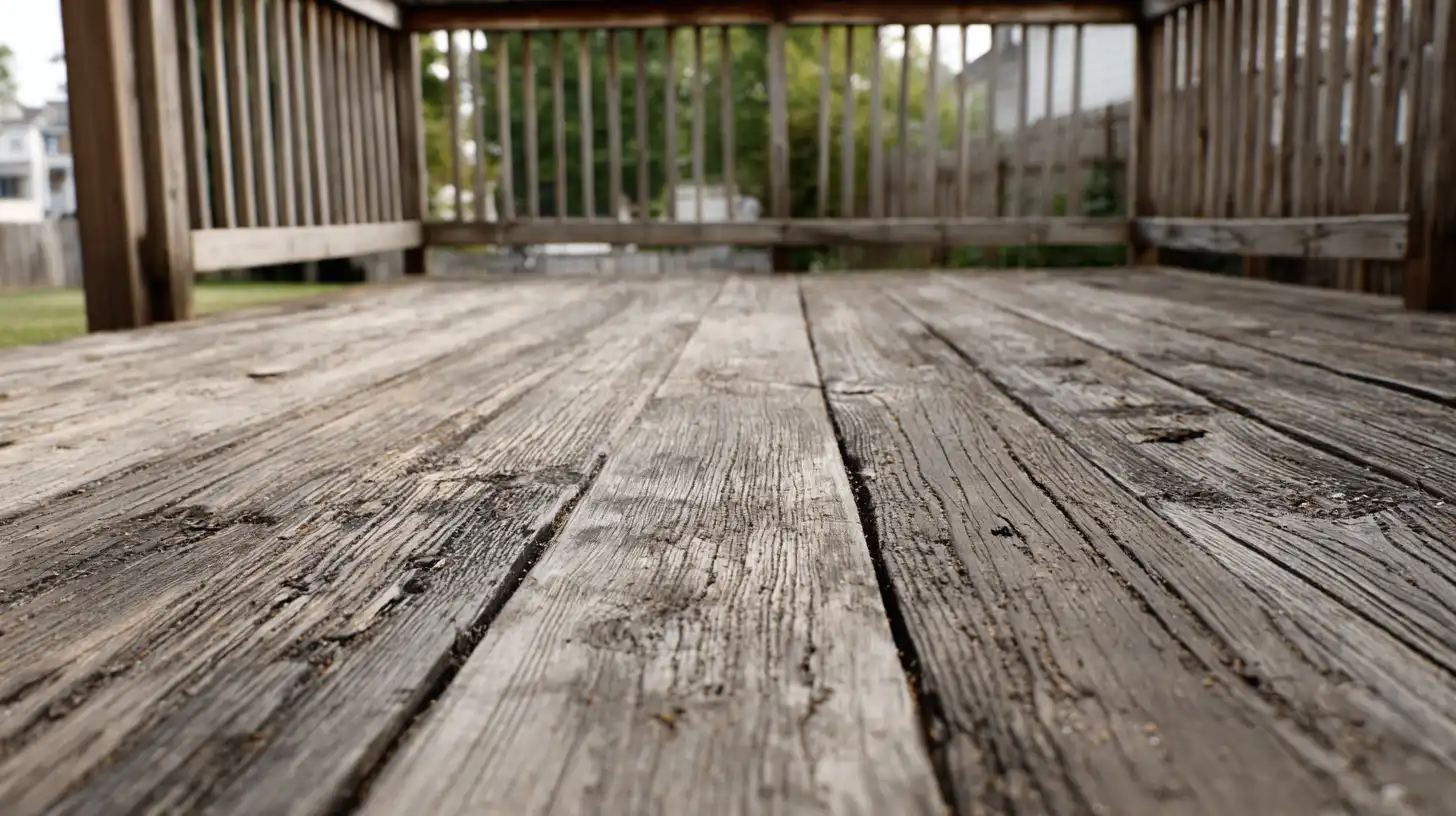
- Sand, stain, and seal every 1-2 years
- Check for rot, warping, and splinters annually
- Replace boards as they deteriorate
- Inspect structural posts and joists regularly
- This adds up fast, both in time and money
Composite Deck Maintenance:
- Rinse with soap and water a couple times a year
- No staining, no sealing, no sanding, ever
- Check fasteners and structural elements occasionally
Longevity at a glance:
| Type | Average Lifespan |
|---|---|
| Concrete patio | 25-50 years |
| Paver patio | 20-25 years |
| Wood deck | 10-15 years |
| Composite deck | 25-30+ years |
7. Which Is Right for Your Yard? (Decision Guide)
Okay, let’s bring it all together. Here’s a simple way to figure out which option makes the most sense for your situation.
Choose a patio if:
- Your yard is flat and grading costs are minimal
- You’re working with a tighter budget
- You’re planning to sell within the next few years and want the best ROI
- You prefer a low maintenance outdoor space
- You want a seamless flow from yard to living space
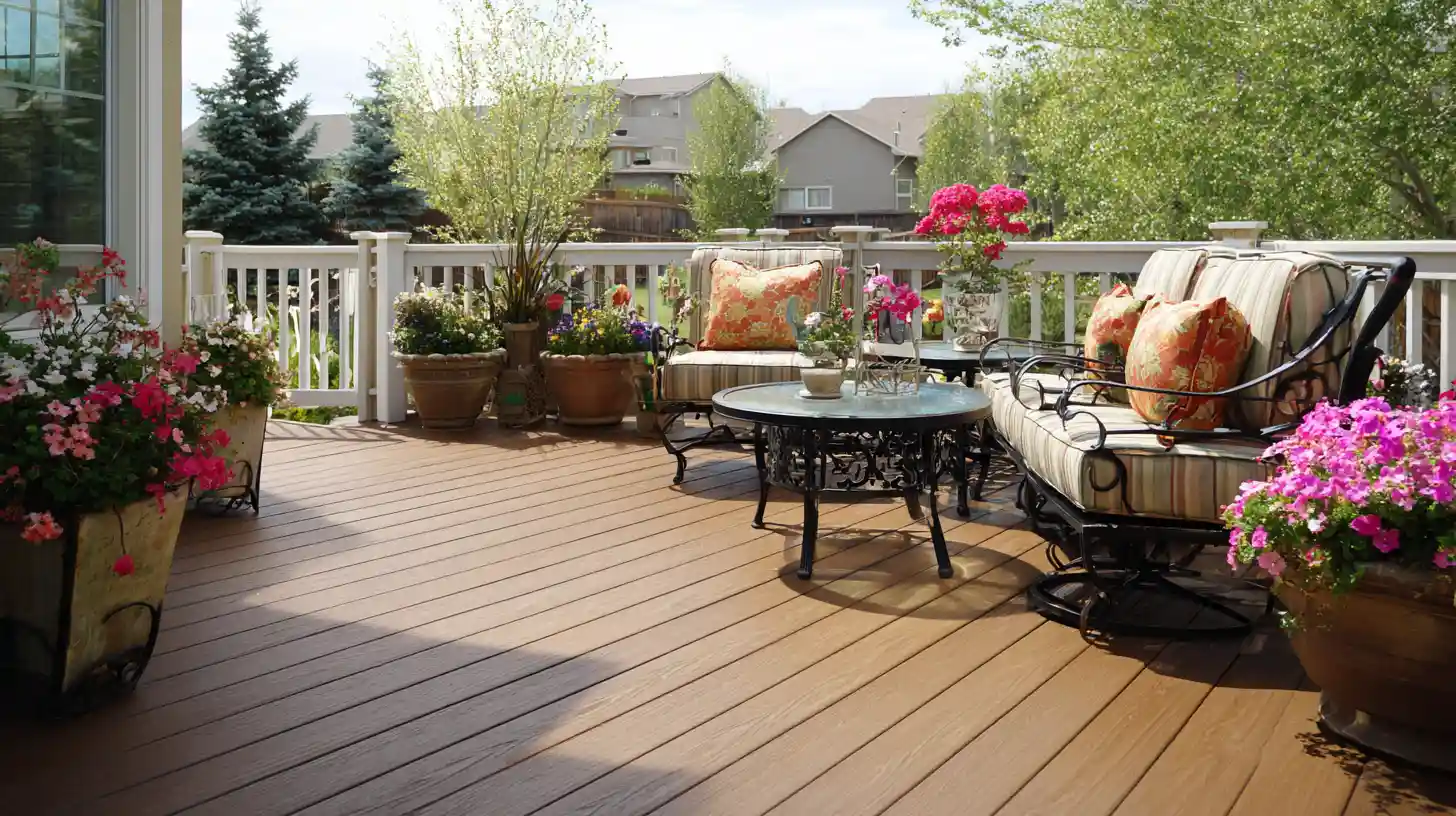
Choose a deck if:
- You have a deck for sloped yard situation and grading would be too costly
- You want an elevated outdoor living space with views
- You’re staying in your home long term
- Low maintenance is a priority and composite is in your budget
- You want to maximize usable outdoor square footage
Still not sure? Ask yourself these three questions:
- What is my timeline for selling?
- How much slope does my yard have?
- What is my realistic maintenance commitment?
Your answers will point you in the right direction almost every time.
For budget friendly ways to make either option shine, check out my Small Backyard Design Ideas on a Budget.
8. Contractor Tips Before You Commit
Before you sign anything or hand over a deposit, here are some things I wish more homeowners knew going in.
Before you hire anyone:
- Get at least three quotes, prices vary wildly
- Ask specifically about permits, if a contractor says you don’t need one, get a second opinion
- Check reviews AND ask for references from recent projects
- Make sure they are licensed, bonded, and insured in your state
Questions to ask your contractor:
- What is included in the quote and what is not?
- How do you handle drainage?
- What is the project timeline and payment schedule?
- Who pulls the permits?
Red flags to watch for:
- Anyone who wants full payment upfront
- Vague contracts with no itemized breakdown
- No mention of permits at all
- Pressure to decide immediately
I have seen projects derail sales because nobody pulled a permit. It shows up on inspection every single time and worse, it can kill the deal entirely.
For more planning guidance on bigger backyard projects, my Backyard Outdoor Kitchen Ideas: The Complete Planning Guide walks through a similar process and is worth a read.
9. FAQ: Your Backyard Questions Answered
What is the difference between a patio and a deck?
A patio sits at ground level and is typically made from concrete, pavers, flagstone, or brick. A deck is an elevated structure, usually attached to your home, built from wood or composite materials like TREX. The biggest practical difference? A deck can work with almost any yard, including sloped ones, while a patio really needs relatively flat ground to work well.
Which adds more value to a home, a patio or a deck?
They both add value, but when you really look at the numbers, patios typically recover around 95% of their cost at resale compared to 83-89% for a new wood deck, according to the NAR 2023 Remodeling Impact Report. Not to mention wood just rots out. However, if I was on a budget and selling the home a wood deck almost always wins. (If it looks new and taken care of)
Is a deck or patio better for a sloped yard?
A deck is almost always the better choice for a sloped yard. Patios require grading and excavation which can get very costly on a significant slope. And remember, your back yard almost always determines what type of design you need. If it’s sloped, you know you’ll more than likely need a deck over a patio.
What does a new deck or patio cost?
According to NAR, a new patio averages around $10,500 and a new wood deck averages around $16,900. Composite decking materials run $15-$30 per square foot. But prices always vary depending on location and competition so check in your area for further information.
Is composite decking worth the extra cost?
In my personal opinion, absolutely yes! It’s my overall pick. The maintenance savings alone over 10-15 years more than make up for the higher upfront investment. Plus it just looks nice and clean all year long.
10. Home Hero Jen Mindset Shift
If you’ve made it this far and you’re still feeling overwhelmed by the whole patio vs deck decision, I want you to take a breath.
This doesn’t have to be perfect. It just has to be right for YOU.
- You don’t need the biggest deck on the block
- You don’t need the most elaborate patio.
- You need an outdoor space that fits your yard, your life, and your budget
Start with what you know. Your slope. Your timeline. Your maintenance reality. The rest will follow.
For more on shifting the way you think about your home and the decisions that come with it, check out How One Mindset Shift Changed My Overwhelmed Home and give yourself permission to start small and start smart.
You’ve got this. 💛
For even more detail on the deck vs patio decision, the team at Axell Landscape put together a really helpful breakdown worth checking out.